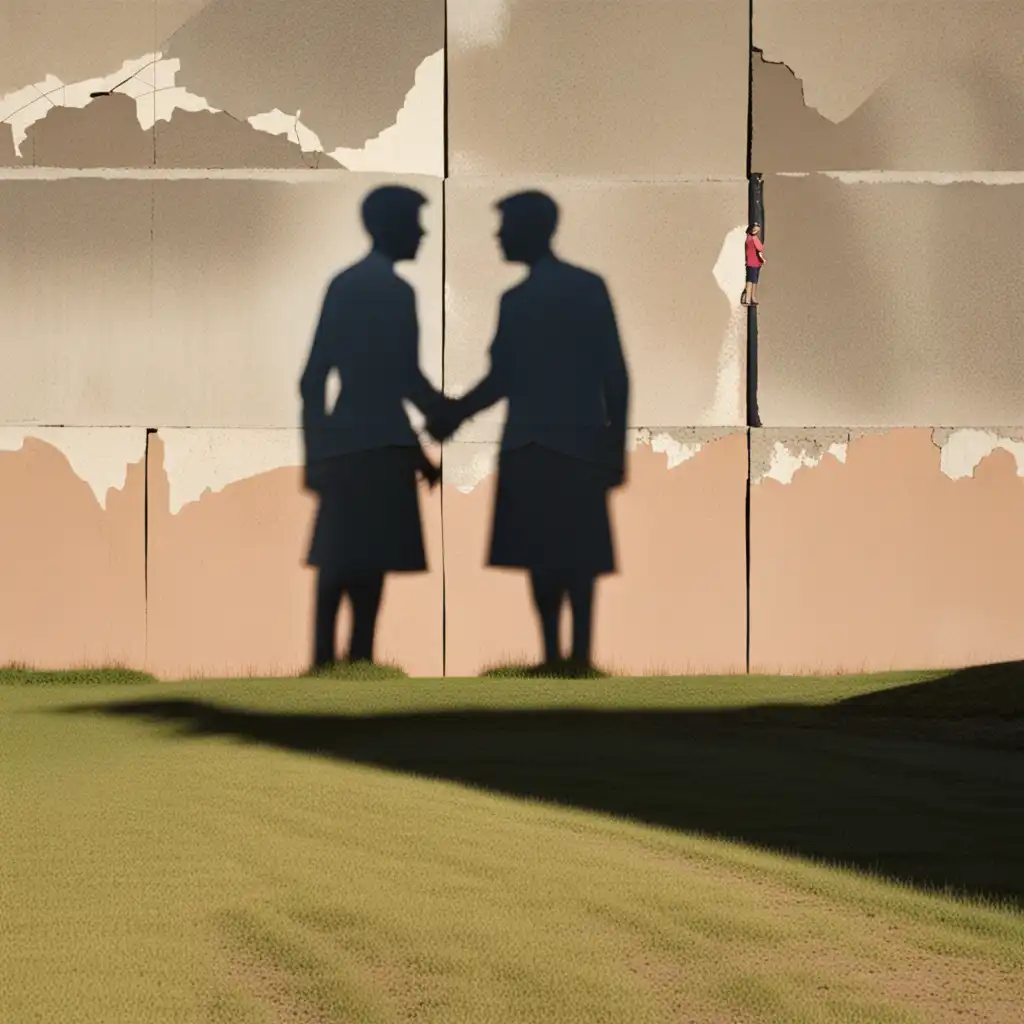
bygone
adjective bygone
ˈbaɪɡɔːn
Something that happened or existed in the past, not now
We should let bygones be bygones and start afresh.
bygone
ˈbaɪɡɔːn
加载中…
ˈbaɪɡɔːn
Something that happened or existed in the past, not now
We should let bygones be bygones and start afresh.

ˈbaɪɡɔːn
A thing dating from an earlier time
The car was a bygone of an era long passed.
音频无法加载,请稍后再试。
The word 'bygone' means something that happened a long time ago or in the past. It could refer to an old-fashioned or outdated thing, person or situation that is no longer relevant. You can use this word in sentences such as "I miss the bygone days when life was simpler" or "This antique shop is full of bygone treasures from the past."
Ancient generally refers to something that is very old, usually from thousands of years ago, and often has historical or cultural significance.
For example, ancient Egyptian pyramids or ancient Greek mythology.
It may be old or from a previous time, but not necessarily as old as something ancient. For example, a bygone era of music from the 1960s or a bygone tradition of using typewriters instead of computers.
Ancient refers to something that is old and usually has historical or cultural significance, while bygone refers to something that is no longer relevant or in existence.
打开单词: Ancient →Antiquated refers to something that is old-fashioned and no longer in use or relevant. For example, an antiquated computer system or an antique piece of furniture.
Antiquated is applicable when referring to something that is outdated or no longer useful, while bygone is applicable when referring to something that belongs to an earlier time or period.
打开单词: Antiquated →Former refers to something or someone that came before, or held a previous position, but no longer does.
It can also refer to a thing or person that is in the past, but still relevant or important. For example, "the former president" or "my former high school.".
Bygone emphasizes that something is from the past and no longer exists, while former emphasizes that something or someone had a previous position or status.
打开单词: Former →Obsolete refers to something that is no longer useful or relevant and has been replaced by something better or more modern.
For example, obsolete technology or equipment.
Bygone refers to the past, while obsolete focuses on the present and its uselessness. Bygone applies to something that has passed, while obsolete refers to something that is still present but no longer serves a purpose.
打开单词: Obsolete →Outdated means something that is no longer current or useful. It refers to something that has been replaced by something more modern or efficient.
For example, a computer with outdated software is no longer useful for certain tasks.
To sum it up, bygone describes something from the past, while outdated describes something that is no longer useful or efficient.
打开单词: Outdated →Bygone and past are both words that refer to things that have happened or existed before the present.
For example, "bygone days" or "bygone eras" refer to a time in the past that is remembered fondly. In contrast, past is a more general term that simply refers to anything that has already happened or existed before now, without any particular connotation of nostalgia or sentimentality.
For example, "the past few days" or "the past century" simply refer to a time before the present, without any specific emotional implications.
Bygone is often used in reference to a specific period of time that is no longer present or in use, while past is a more general term that refers to anything that has happened before the present.
打开单词: Past →Retro refers to something that is intentionally designed to resemble or evoke the styles and trends of the past.
For example, someone might say "that dress has a retro 1960s feel to it" to describe a modern dress that was designed to look like it belongs in the 1960s.
Bygone describes things that are no longer relevant or in use, while retro describes things that intentionally evoke the styles and trends of the past.
打开单词: Retro →Vintage refers to something from a specific time period that is considered to be of high quality or value. For example, a vintage dress from the 1920s is highly sought after by collectors.
Essentially, bygone is a more general term for anything that is no longer in use, while vintage specifically refers to something that is considered to be of value from a certain era.
打开单词: Vintage →Did ancient Troy really...
在 YouTube 上观看 ↗Literature is always about bygone times. It's always looking back in time with a certain perspective. I look at bygone life which no longer exists, and as I said, I look at it without nostalgia but without anger, either. I look at it with criticism and with compassion. I look at it with curiosity.
Peek Inside the Strange,...
在 YouTube 上观看 ↗I let bygones be bygones, and guys, 'BB' game is over now.
Kayvon Tehranian: How...
在 YouTube 上观看 ↗Letting bygones be bygones is a basic principle in economics.
Discovering Attenborough'...
在 YouTube 上观看 ↗I don't like talking about bygones.
I consider that, in a democracy, everyone has the right to decide. If people don't have the right to express what they feel, we would be going back to a bygone era.
We were elected to serve our districts, and that demands putting bygones aside. That's what leadership's all about.
I know part of nostalgia is romanticising the past, but I love doing things in a slower way, and the glamour of bygone eras.
I think cinema is so visually driven now, and people are so taken in by the glamour, gloss and all things good looking that we don't appreciate the craft as much as we used to in the bygone era.
I confess that, like public figures from bygone days or an entertainer that hadn't been heard from in eons, I didn't know AIM, as we all called it, still existed at all.
The Resurrection miracle is nothing to you and me if it is only an event of eighteen centuries bygone. Unless we can live the immortal life - unless we can receive God to his own home in these hearts of ours - the texts are nothing to us unless these daily lives illustrate them.