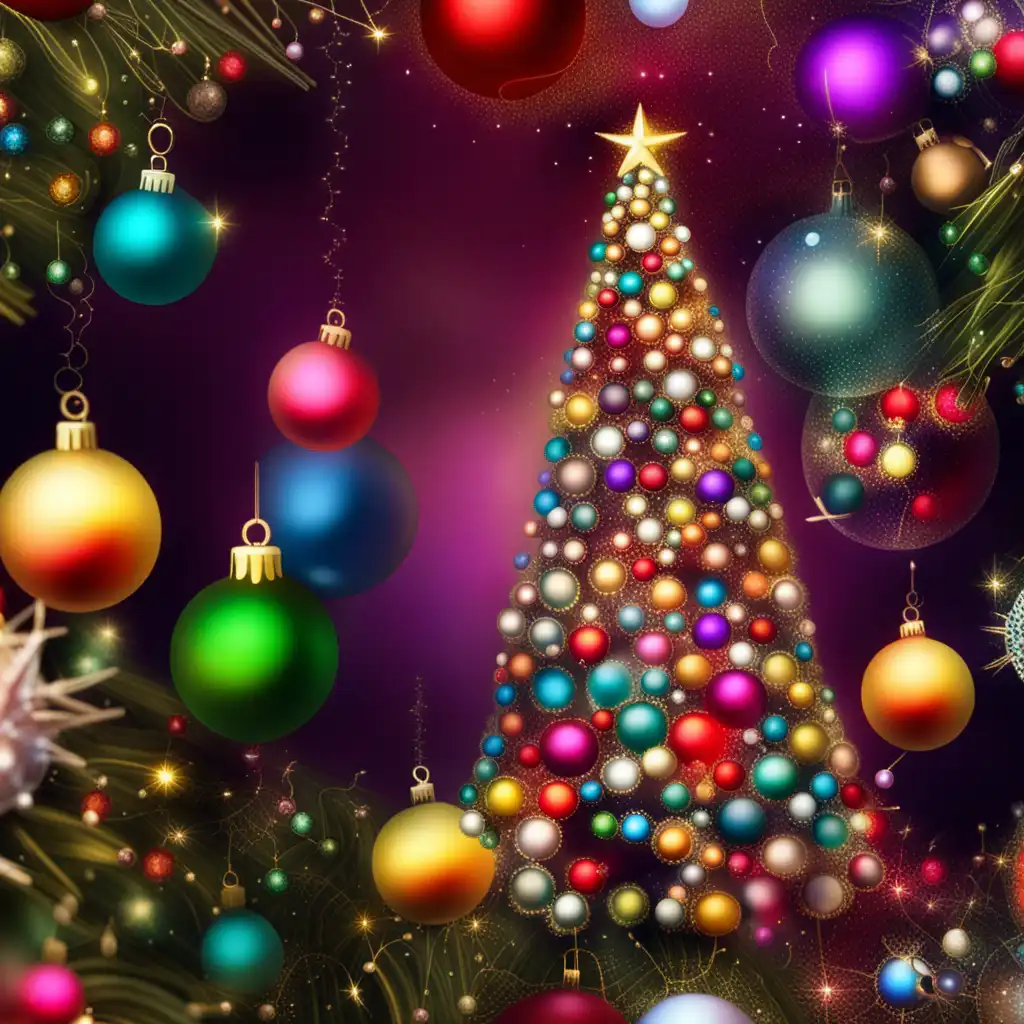
bauble
noun bauble
ˈbɔːbl
A small and cheap ornament, especially decorative ball hung on a Christmas tree.
We decorated the Christmas tree with glittering baubles.
bauble
ˈbɔːbl
加载中…
ˈbɔːbl
A small and cheap ornament, especially decorative ball hung on a Christmas tree.
We decorated the Christmas tree with glittering baubles.

ˈbɔːbl
Something of little importance or value.
These reforms are just political baubles without any substance.
音频无法加载,请稍后再试。
The word bauble is a fancy way of describing a small, decorative object. It is often used to refer to Christmas tree ornaments or other holiday decorations, but it can also be used more generally to describe any small, frivolous item that is meant to be decorative rather than functional. For example, a sparkly keychain or a decorative figurine might be described as a bauble. It's a fun word to use when you want to add a bit of whimsy or playfulness to your language!
Bagatelle and bauble are both nouns that refer to small, usually decorative objects.
A bagatelle is a small trinket or ornament that is typically useless or of little value.
It can also refer to a game played on a board with holes and pins. Bagatelles are often used as decoration, but they are not considered particularly valuable or significant.
It is typically larger and more ornate than a bagatelle, and it may be made of more expensive materials. Baubles are often associated with Christmas decorations, but they can also be used as jewelry or other types of embellishments.
A bagatelle is a small and insignificant ornament while a bauble is a larger and showier decoration meant to draw attention.
打开单词: Bagatelle →It can be used as a decoration or as a piece of jewelry. Curio refers to an unusual or rare object that is of interest because of its history, uniqueness, or value.
It is often collected and displayed in a cabinet or museum. Hence, while bauble is applicable in casual settings and is not of much value, curio is applicable in formal or educational settings and has value due to its rarity or historical significance.
打开单词: Curio →Flummery refers to something that is showy and ornamental but lacks substance or value.
Bauble is applicable when referring to physical objects, while flummery is applicable when referring to abstract concepts or ideas.
打开单词: Flummery →Both bauble and frippery refer to something that is decorative or ornamental, but they have slightly different connotations.
A frippery is something that is decorative and ornamental, but is considered to be excessive or unnecessary.
A bauble is a small decorative item that is typically inexpensive and of little value, while a frippery is something that is excessive or unnecessary in its decorative qualities.
打开单词: Frippery →Both words refer to small or decorative trinkets, but bauble typically refers to something that is shiny or glamorous, such as a piece of jewelry or a decorative ornament, while gewgaw usually refers to something cheap or tacky, such as a plastic toy or novelty item.
Baubles are often associated with luxury or elegance, whereas gewgaws are usually seen as frivolous or kitschy. Both words have similar meanings, but are used in slightly different contexts.
打开单词: Gewgaw →Bauble and ornament are both decorative objects used for adornment, but they tend to differ in their materials and purpose.
Ornaments are usually larger and made from higher-quality materials such as glass, metal or porcelain. They are used to decorate Christmas trees but are also used for year-round decoration on display stands or hung on walls.
Bauble typically refers to an item that is of lesser importance or value, while ornament typically refers to a more decorative or elaborate item.
打开单词: Ornament →A plaything is any object that is used for play or entertainment.
Playthings can be toys, games, sports equipment, or anything else that can be used for amusement.
So while both baubles and playthings can be used for entertainment or decoration, the key difference is that baubles are specifically ornamental decorations, while playthings can be any object that is used for play or amusement.
打开单词: Plaything →‘Bauble’ and ‘toy’ are two words that are sometimes used interchangeably, but they actually have different meanings.
A ‘toy’ is an item that is designed to be played with or used for entertainment purposes.
Toys can be used for physical play, creative play, or educational purposes, and can range from simple items like balls or building blocks to more complex items like video game consoles or robotic kits.
In summary, baubles are decorative items, typically used for holiday decoration or jewelry, while toys are items designed for entertainment or educational purposes.
打开单词: Toy →A trinket is a small item of little value or importance.
Trinkets can be anything from small toys to souvenirs to inexpensive jewelry. They are generally associated with novelty or sentimentality rather than true decorative value.
In summary, baubles are mostly used as holiday decorations or jewelry, while trinkets are small, low-value items bought for their novelty or sentimental value.
打开单词: Trinket →How Christmas Trees Are...
在 YouTube 上观看 ↗Andres Segovia, the great name for guitar, he put classical guitar on the map. He was the proponent of it, the best in the world. So I was listening to a record that he had made, and a little bauble happened in the middle of the record. A finger slipped, and I said, 'Wait a minute. He's not allowed to make mistakes,' - my mind.
Felix Dennis' odes to...
在 YouTube 上观看 ↗A toy is seen both as a bauble and as an intellectual machine.
Anything that's shiny, you can mix together. I love rhinestones with sequins, or baubles with fun gold metallics.
When I finish dressing before a night out and have put on all the accessories, I usually look at myself in the mirror long and hard and then end up removing something. Whether it's a belt, bracelet or a bauble, less is always more.
My show 'Fame: Not the Musical' is about the fact that fame is seen in two ways in our culture: either as a glittering bauble we desperately covet, or as a narrative of tragedy and despair. My own experience of fame is a third, mundane way, which often involves being mistaken for someone else - Ian Broudie from the Lightning Seeds, or Steve Wright.