scanty
adjective scanty
ˈskænti
Small in quantity, less than is needed or wanted.
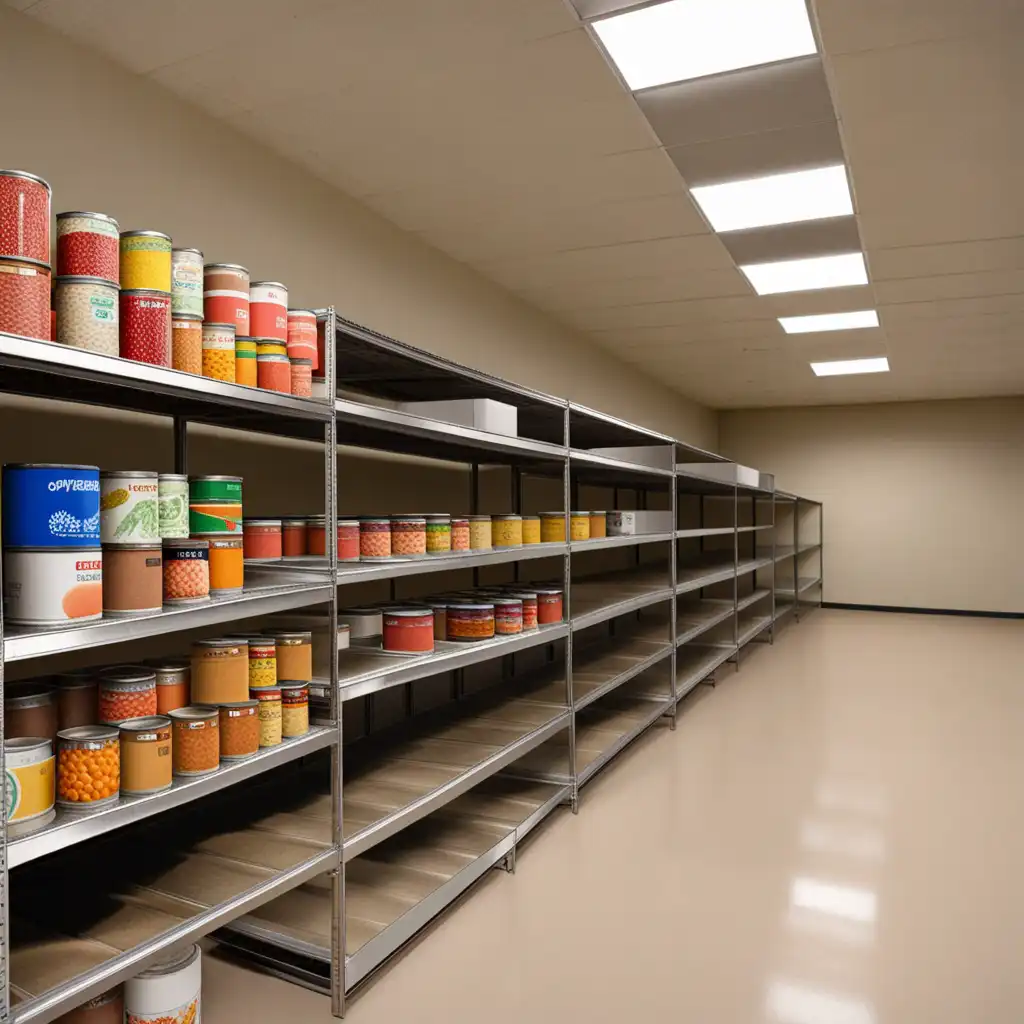
The food donations were scanty, so the food bank requested more donations.
scanty
ˈskænti
불러오는 중…
ˈskænti
Small in quantity, less than is needed or wanted.
The food donations were scanty, so the food bank requested more donations.

ˈskænti
Not covering a lot of the body and thus it can be considered as revealing.
Her scanty swimsuit attracted a lot of attention at the beach.
오디오를 불러오지 못했어요. 잠시 후 다시 시도해 주세요.
The word 'scanty' is used to describe something that is very small or insufficient in quantity or amount. It can also be used to describe clothing that is revealing or has very little material. For example, "The meal was lacking in flavor, with only a scanty amount of seasoning." Or "She wore a scanty outfit to the beach, which showed a lot of skin." It's important to note that the word 'scanty' can have a negative connotation, so it should be used carefully in certain situations.
Adequate means having or providing enough of what is needed for a specific purpose. It suggests that there is enough quantity or quality to meet a certain standard or requirement.
For example, if a teacher gives an adequate amount of time to complete an assignment, it means that sufficient time has been given to complete the task.
The word scanty means inadequate or insufficient in quantity or quality. It suggests that there is not enough of something to meet a certain standard or requirement.
Adequate means having enough to meet a certain standard, while scanty means not having enough to meet a certain standard.
단어 열기: Adequate →Handful refers to the amount that can fit in one's hand, and indicates a fairly significant amount.
It can be used when referring to things like a handful of candy or a handful of pens.
Handful is typically used when talking about a relatively substantial amount of something that can be physically held or counted, while scanty describes a very small or barely sufficient amount of something.
단어 열기: Handful →Limit means a point beyond which something cannot or may not go. It refers to setting boundaries or constraints. For example, there may be a limit to how many people can attend a party or a limit to how much you can spend on shopping.
Limit describes a boundary or constraint, while scanty describes something that is lacking or insufficient.
단어 열기: Limit →However, meagre implies a lack of quantity or quality, while scanty suggests that something is barely there or barely sufficient.
For example, if someone says they have a meagre amount of money, it means they have very little money and it may not be of good quality.
Meagre describes something that is deficient in both quality and quantity, while scanty is used more to describe something that is just barely enough or insufficient in quantity.
단어 열기: Meagre →Both paltry and scanty refer to something being lacking in quantity or amount, but they are used in slightly different contexts.
Paltry describes something that is small or insignificant in comparison to what is expected or needed. For example, a paltry sum of money would be a very small amount compared to what someone needs to pay their bills.
Paltry emphasizes the idea of something being small or insignificant, while scanty emphasizes the idea of something being not enough or insufficient.
단어 열기: Paltry →Scanty and scarce both refer to a lack or shortage of something.
However, scanty usually refers to a small amount or not enough of something, while scarce refers to something that is rare or hard to find.
For example, if someone says that they have a scanty amount of money, it means they have only a little bit of money. If they say that water is scarce in a certain area, it means that it is very difficult to find or there is not enough of it.
Scanty is used when talking about a small amount of something that should be more, while scarce is used when talking about something that is rare or hard to come by.
단어 열기: Scarce →Scanty and sparse both refer to a small amount or not enough of something, but there is a slight difference between them.
Sparse generally means that there are few of something or that it is spread thinly.
It can relate to things like population density or plant growth. Scanty refers to inadequate material, while sparse refers to an insufficient quantity.
단어 열기: Sparse →Scanty means there is not enough of something, whereas sufficient means there is enough of something.
Sufficient is used when there is an adequate or satisfactory amount of something. For example, if a teacher provides a sufficient amount of resources and materials for students to work with, the students should have everything they need to succeed in school.
단어 열기: Sufficient →How pathetically scanty my self-knowledge is compared with, say, my knowledge of my room. There is no such thing as observation of the inner world, as there is of the outer world.
Research into endometriosis is as scanty as funding.
Heroes are created by popular demand, sometimes out of the scantiest materials, or none at all.
Without any assistance whatever, I founded a school in Weimar in 10 years. Only I could perform certain works with the scanty means that I dared not ask anyone else to work with.
I learned about Chinese ceramics and African sculptures, I aired my scanty knowledge of the French Impressionists, and I prospered.
The Legislature of Lower Canada, consisting chiefly of Roman Catholics, could hardly be expected to support a church which they were taught to consider heretical, and in Upper Canada the scanty means at the disposal of the Government, precluded all hope.
The abilities of man must fall short on one side or the other, like too scanty a blanket when you are abed. If you pull it upon your shoulders, your feet are left bare; if you thrust it down to your feet, your shoulders are uncovered.