straggle
verb straggle
ˈstræɡl
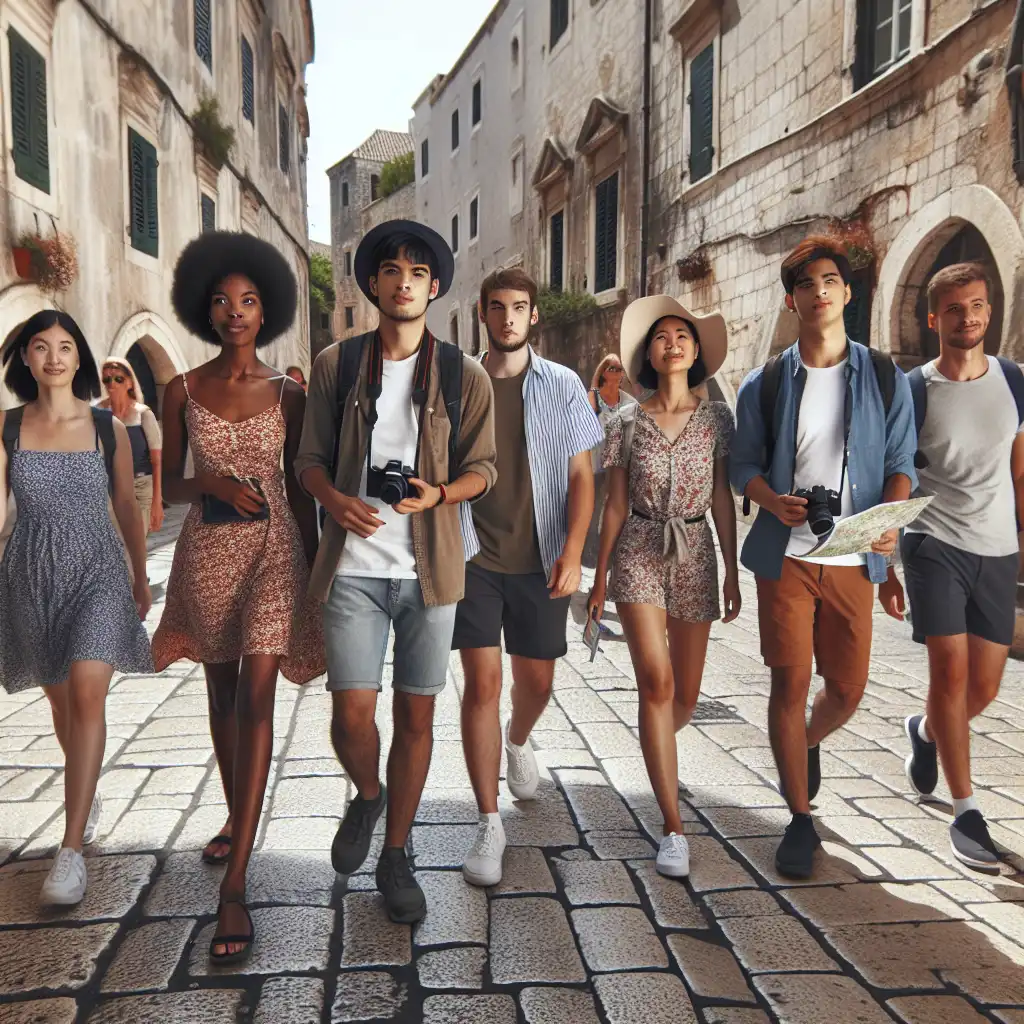
To move along slowly, typically in a irregular group or line
The tourists straggled through the city streets.
straggle
ˈstræɡl
加载中…
ˈstræɡl
To move along slowly, typically in a irregular group or line
The tourists straggled through the city streets.
ˈstræɡl
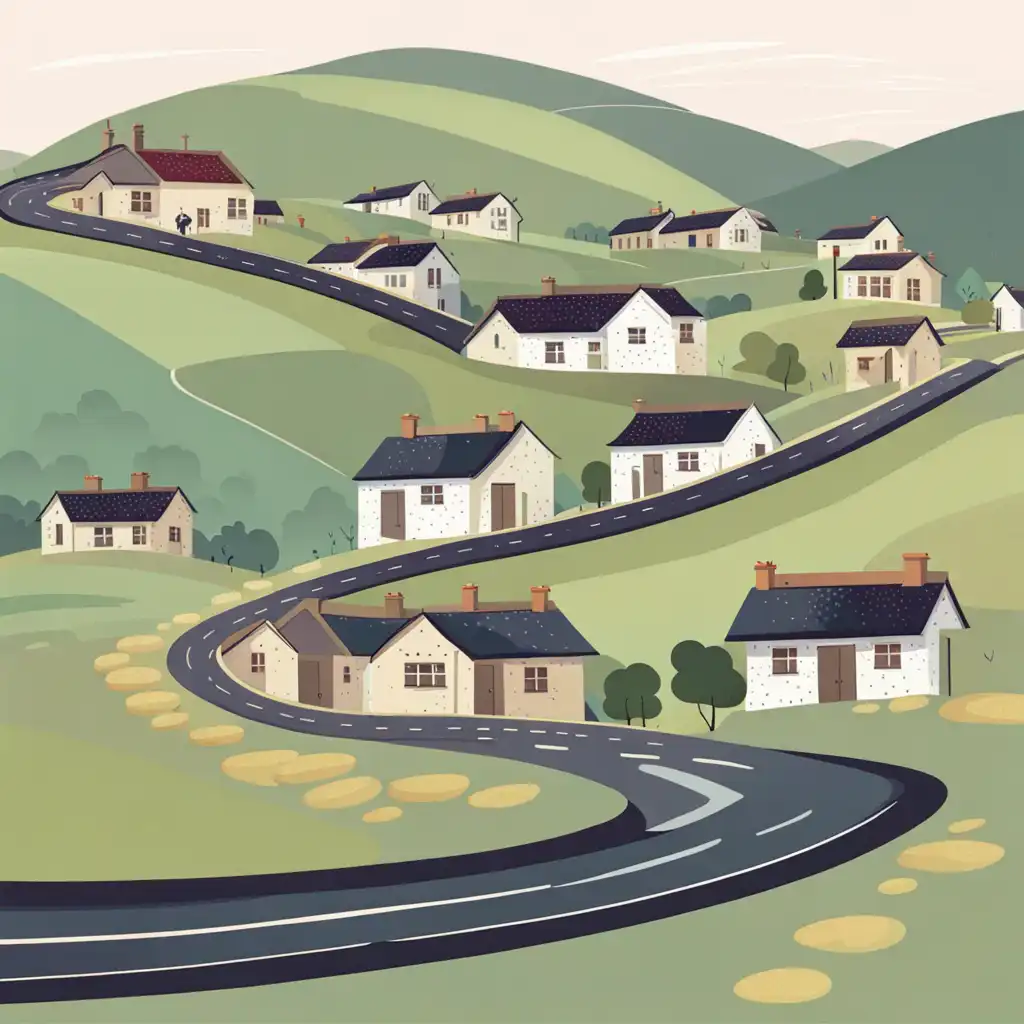
To spread in different directions or be distributed irregularly
The houses straggled along the road towards the hills.
音频无法加载,请稍后再试。
"Straggle" means to move or arrive in a disorganized or scattered way. It can be used to describe a group of people or things, such as a line of soldiers marching out of formation or a group of plants that are growing in a messy way. You might also use it to describe someone who is lagging behind or arriving late to a meeting or event. It's a good word to use when you want to convey the idea of something being disorderly or spread out.
Amble means to walk at a leisurely and relaxed pace, usually for pleasure. It is applicable in situations where someone is taking a casual stroll, such as on a scenic path or in a park.
Amble is a relaxed and leisurely walk, while straggle is an unorganized walk with things or people spread out over a large area.
打开单词: Amble →Drift means to be carried along by a current of air or water, or to move aimlessly or without purpose.
It can be applicable when talking about a boat drifting in a river, or a person's thoughts drifting during a conversation.
Drift implies a lack of control or direction, whereas straggle implies a lack of coherence or coordination.
打开单词: Drift →Both meander and straggle imply a deviation from a straight path, but they differ in their connotations.
Meander suggests a leisurely, wandering course, often accompanied by bends or twists, such as a meandering river or a meandering conversation.
You might say that a river meanders through a valley, while a group of people straggle along a path.
Essentially, meander is more about the curved path or route followed, while straggle is more about the dispersed or disorganized arrangement of things or people.
打开单词: Meander →Ramble means to walk or talk at length in a wandering way.
To summarize, ramble describes someone who is walking or talking in a wandering way, while straggle describes a group or line of things that are not following a clear path or order.
打开单词: Ramble →Saunter means to walk in a relaxed and unhurried way, usually with a confident and casual attitude. It is applicable when someone is walking leisurely and enjoying the scenery.
Saunter is a graceful stroll while straggle is a disorganized movement.
打开单词: Saunter →Stray means to wander off or deviate from a particular course, path, or subject. It's typically used when talking about a single person or animal that has wandered away from where they're supposed to be.
For example, a dog might stray away from its owner if it's not on a leash.
Straggle is used for a group that is messy or disorganized, while stray is used for a single entity that has gone off-course.
打开单词: Stray →Tramp means to walk heavily or with loud footsteps. It also refers to a person who travels on foot, often without a fixed destination or permanent home.
For example, a homeless person might be called a tramp because they move from place to place without a regular job or address.
Straggle describes movement that is unorganized and aimless, while tramp describes a person who travels on foot without a clear purpose or direction.
打开单词: Tramp →Wander means to move aimlessly or without a specific destination in mind.
This word is often used when referring to a person who is walking or traveling alone. For example, "He wandered through the forest, enjoying the peace and quiet.".
In simpler terms, straggle is used when talking about a group of things or people that are spread out in a disorganized way, while wander is used when talking about an individual who is moving without a specific purpose or direction in mind.
打开单词: Wander →