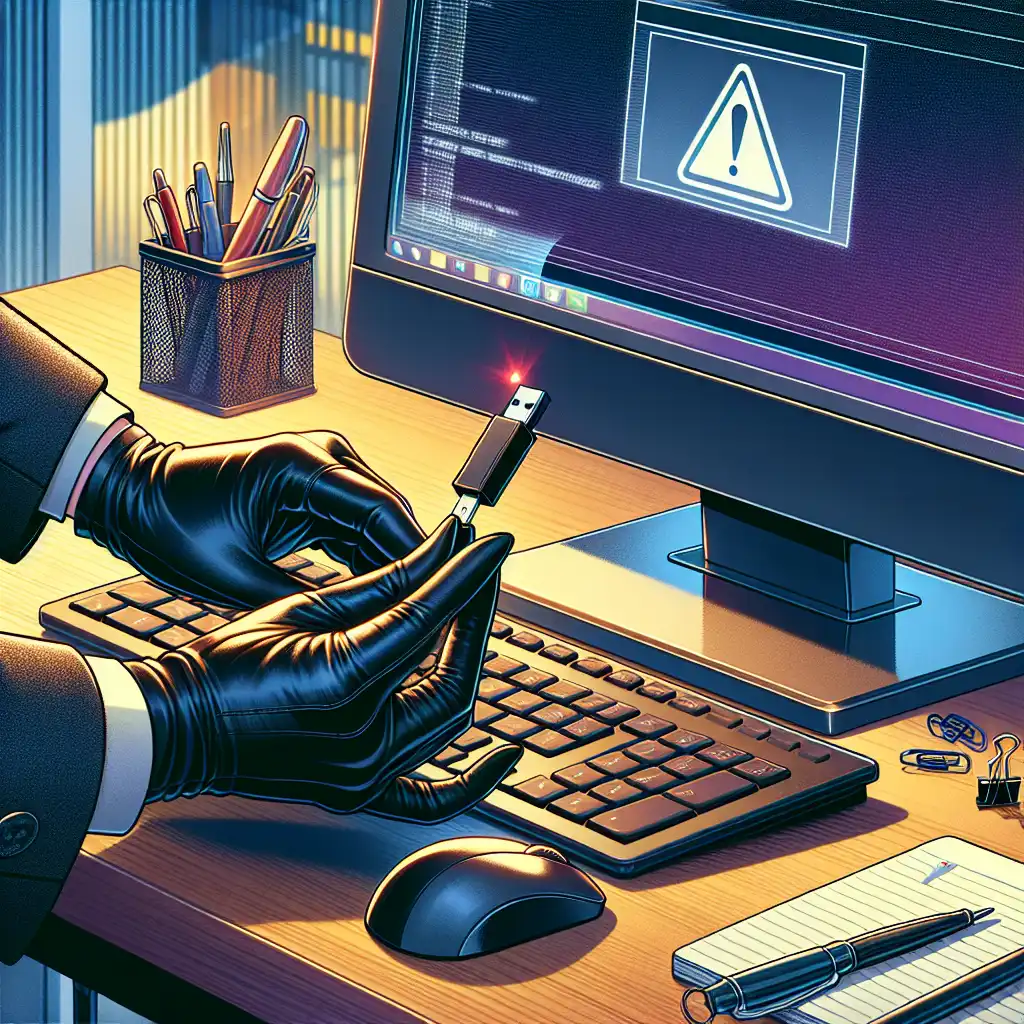
The word 'saboteur' is used to refer to someone who intentionally tries to damage or disrupt something, such as a project, plan, or organization. It can be used to describe someone who tries to cause harm, destruction, or chaos through sneaky and secretive means. For example, if a team is working on a project and one member is secretly undermining their efforts, that person could be called a saboteur. It's important to note that being a saboteur is considered a negative thing, and is not a behavior that should be encouraged or condoned.
An agitator is a person who tries to cause social or political change by stirring up people's emotions and encouraging them to take action.
An agitator seeks change through peaceful means, while a saboteur seeks to disrupt and damage. Agitators are applicable in situations where people want to make a change through protests or demonstrations, while saboteurs are applicable in situations where someone wants to disrupt the progress of an organization or project.
Conspiracy refers to a secret plan or agreement between two or more people to do something harmful or dishonest, usually against a government, organization, or person.
Conspiracy involves secret planning to do something harmful or dishonest, while sabotaging involves deliberately damaging or destroying something to disrupt an operation.
A dissenter is someone who voices their disagreement or opposition to a particular idea, belief, or system in a peaceful and non-violent manner.
They express their dissent through words, ideas or actions that challenge the status quo or norm. Dissenters are often motivated by a desire for positive change and work towards it through peaceful means.
A dissenter challenges the status quo through peaceful means while a saboteur seeks to undermine a system through damaging actions.
A dissident is someone who disagrees with a particular political or social system, government, or authority. They may express their dissent through peaceful protests, writing, or speaking out publicly.
A dissident seeks to challenge the norms and beliefs of the system they oppose, but they generally do so without causing harm or damage.
A dissident challenges a system through peaceful means, while a saboteur seeks to actively harm or damage it.
A subversive is someone who tries to undermine, overthrow or weaken an established political or social system. While a saboteur may work to damage a particular institution or organization, a subversive aims to change the entire system.
For example, a subversive might aim to bring down a government, spread propaganda or organize protests. Subversives typically work as part of a larger movement or group and aim to transform the existing systems rather than simply disrupt them.
A saboteur is someone who intentionally damages or disrupts a particular system or organization, while a subversive aims to challenge and transform the broader social or political system.
A troublemaker is someone who causes problems or disruption without necessarily sabotaging anything. They may be intentionally disruptive or simply have a difficult personality.
Both words can describe people who cause issues or make things difficult, but a saboteur is usually more calculated and intentional in their actions, whereas a troublemaker may not have a specific motive or goal in mind.
A troublemaker might constantly argue with others or make rude comments just to stir up controversy.
A saboteur in the house of art and a comedienne in the house of art theory, Lawler has spent three decades documenting the secret life of art. Functioning as a kind of one-woman CSI unit, she has photographed pictures and objects in collectors' homes, in galleries, on the walls of auction houses, and off the walls, in museum storage.
From Here to Eternity' happens to be fourteen-carat entertainment. The main trouble is that it is too entertaining for a film in which love affairs flounder, one sweet guy is beaten to death, and a man of high principles is mistaken for a saboteur and killed on a golf course.
Sometimes I think my purpose is as a saboteur when I'm working with other people, derailing what they're trying to do or taking things to a ludicrous extremity.
Grief is a bad moon, a sleeper wave. It's like having an inner combatant, a saboteur who, at the slightest change in the sunlight, or at the first notes of a jingle for a dog food commercial, will flick the memory switch, bringing tears to your eyes.