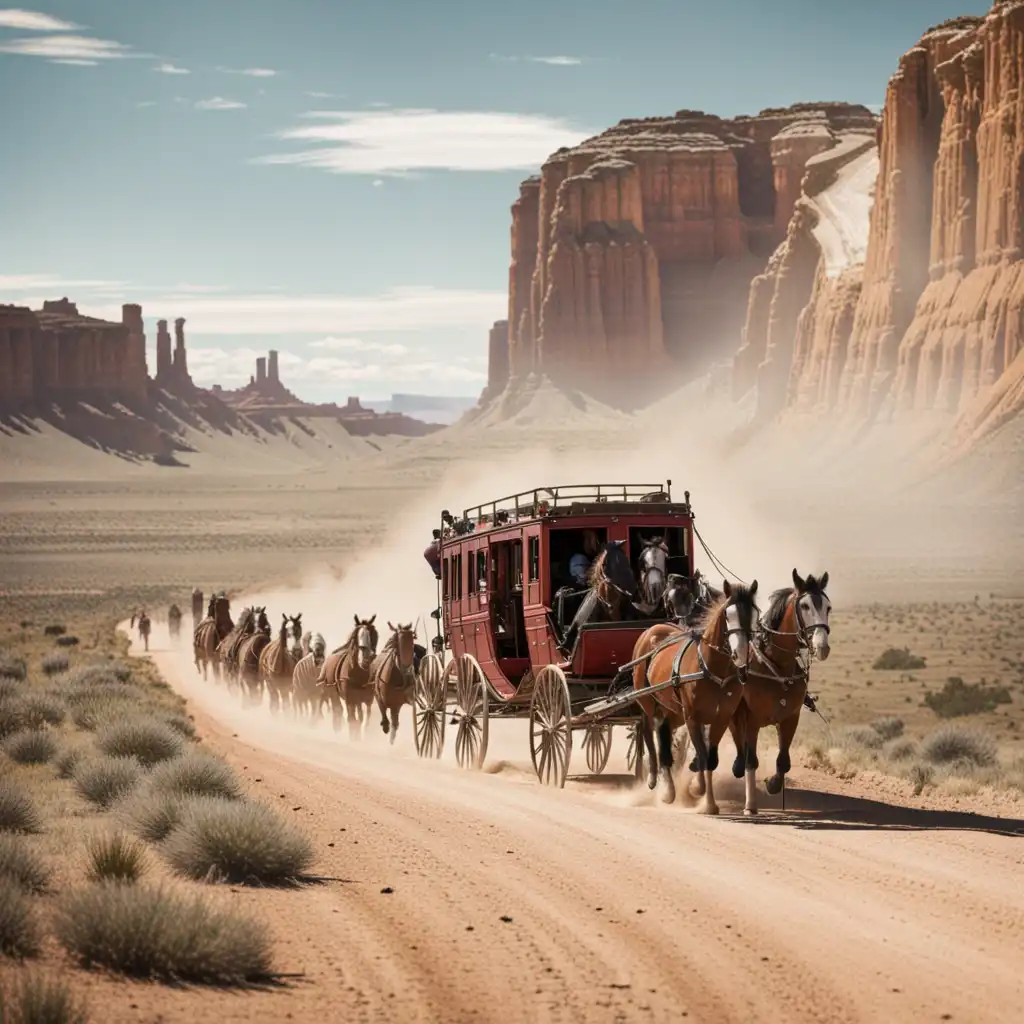
A stagecoach is a type of large, horse-drawn carriage that was used in the past for long-distance travel on stage routes or roads. It was popular in the 18th and 19th centuries before the advent of the steam engine and automobiles. Today, the stagecoach is mostly used for tourists who want to experience the old-fashioned mode of transportation. It is also can be used to refer to a company that provides transportation services in a certain area by stagecoach.
A buggy is a small, lightweight carriage with either two or four wheels, often drawn by a single horse or pony. It was commonly used for personal transportation, such as for short trips, shopping, or visiting friends.
A buggy is a small, personal carriage, while a stagecoach is a larger, public transportation vehicle.
A carriage is a four-wheeled vehicle pulled by a horse or horses that is commonly used for transportation.
It can carry more people than a carriage and is designed for longer journeys.
Carriages were commonly used in the past for short trips around town or for leisurely drives. Stagecoaches, however, were used for longer trips between cities and across distances.
Today, carriages are mostly used for entertainment or tourism purposes, while stagecoaches are mainly seen in historical reenactments or as part of tourist attractions that provide a glimpse into the past.
A chariot is a two-wheeled vehicle usually drawn by horses and was used in ancient times for racing or battles.
In summary, chariots are ancient and were used for racing or battle, while stagecoaches were used in the 19th century for transportation and are now primarily used for tourism or historical purposes.
Coach usually refers to a type of vehicle used for transportation, especially for sports teams or passengers traveling long distances.
Stagecoach specifically refers to a type of horse-drawn carriage that was commonly used in the past for long-distance travel, especially in the American West.
So, while both words relate to transportation, coach is a more general term that could refer to various types of vehicles or people, while stagecoach is a specific type of carriage used historically for long-distance travel.
An omnibus is a public transportation vehicle that can carry a large number of passengers at once.
It is usually enclosed and has multiple rows of seats. Omnibuses were commonly used in cities as a form of public transportation in the 19th and early 20th centuries.
Nowadays, the term omnibus is often used to refer to a collection of works by a particular author or on a particular subject.
An omnibus refers to a large public transportation vehicle or a collection of works, while a stagecoach is a traditional form of horse-drawn carriage used for long-distance travel.
Stagecoach refers to a type of horse-drawn vehicle that was used for transporting people and goods over long distances in the past.
Transport refers to any means of moving people or things from one place to another. This includes cars, buses, trains, airplanes, boats, and even bicycles.
So while a stagecoach is a specific type of transport that was used in the past, the word transport is more general and can refer to any method of moving people or things.
Today, we use many different types of transport depending on where we need to go and how fast we need to get there.
A Wagon is an open vehicle with four or more wheels, typically used for transporting goods, equipment or livestock. Unlike stagecoaches, wagons are not enclosed and do not typically have multiple seats.
In brief, the difference between the two is that stagecoaches were used for long-distance transportation of passengers, while wagons were used for shorter distance transportation of goods or equipment.
There is certain relief in change, even though it be from bad to worse! As I have often found in traveling in a stagecoach, that it is often a comfort to shift one's position, and be bruised in a new place.
We try to reduce the danger to a minimum, of course. And then we prepare for accidents with alternate plans. For instance, if I'm turning over a stagecoach, I try to take into consideration what moves I have to make if it flips in the wrong direction. Without those emergency plans you get hurt.
I respect anyone who could take a stagecoach ride from the East Coast to the West. You had to be a very special kind of person to survive that because it's the most uncomfortable ride in the world.