villain
noun villain
ˈvɪlən
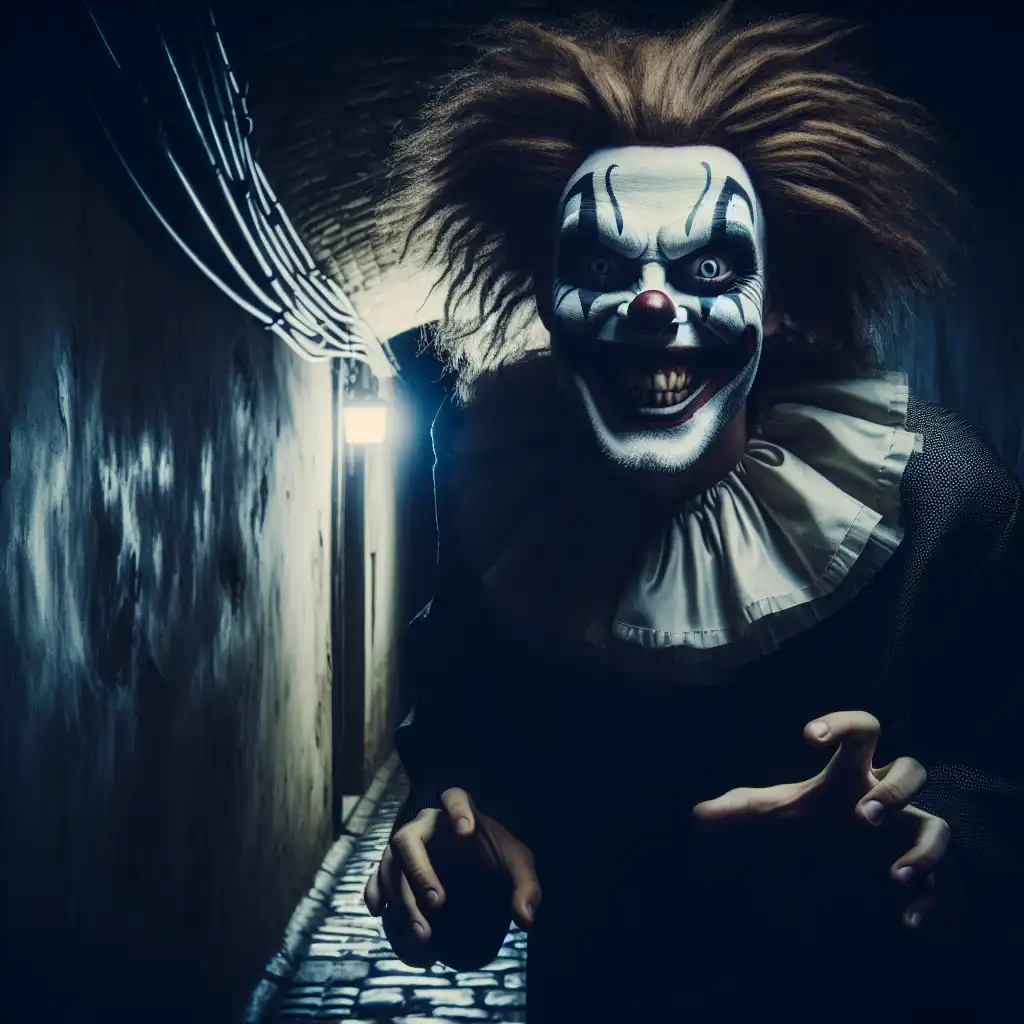
A character in a story, movie, or drama who does bad things
The Joker is a well-known villain in Batman comics.
villain
ˈvɪlən
불러오는 중…
ˈvɪlən
A character in a story, movie, or drama who does bad things
The Joker is a well-known villain in Batman comics.
ˈvɪlən
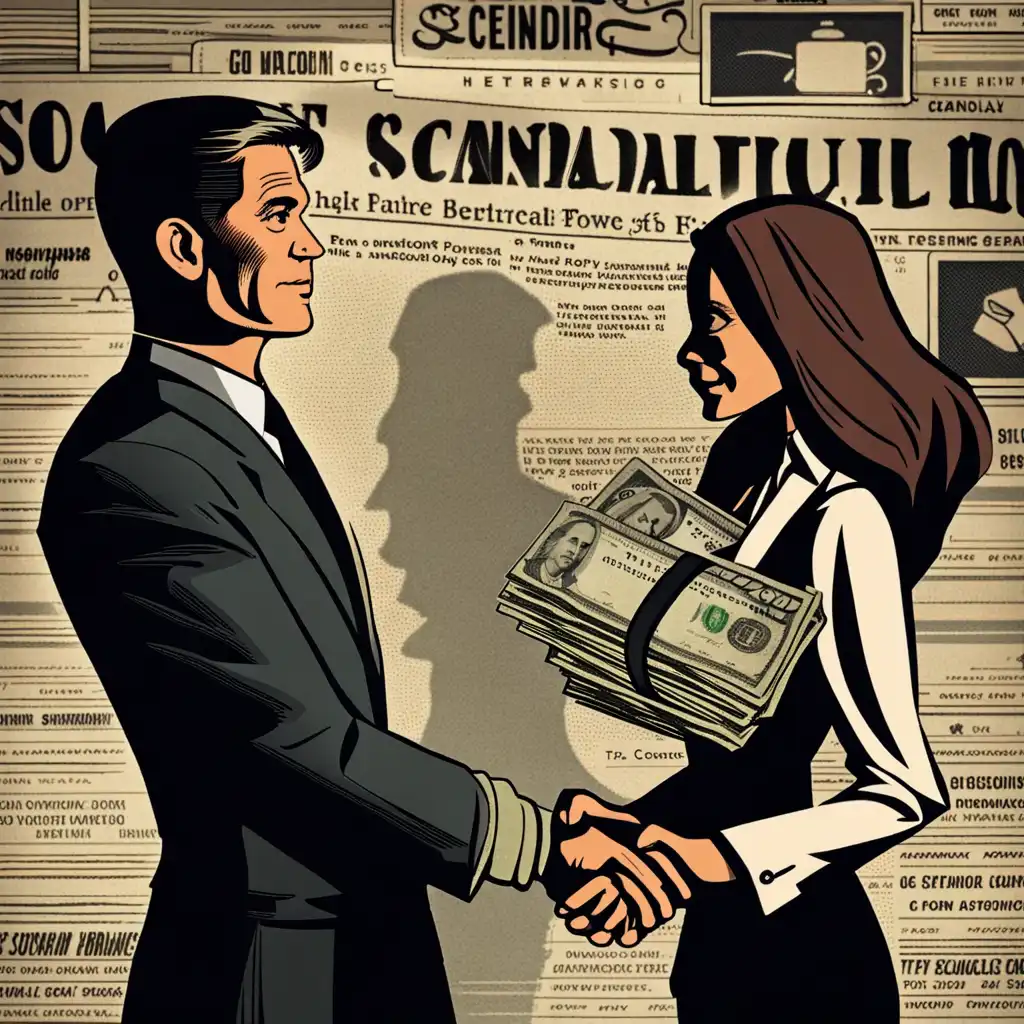
A person who does evil or harmful things
He was portrayed as a villain in the media for his unethical business practices.
ˈvɪlən
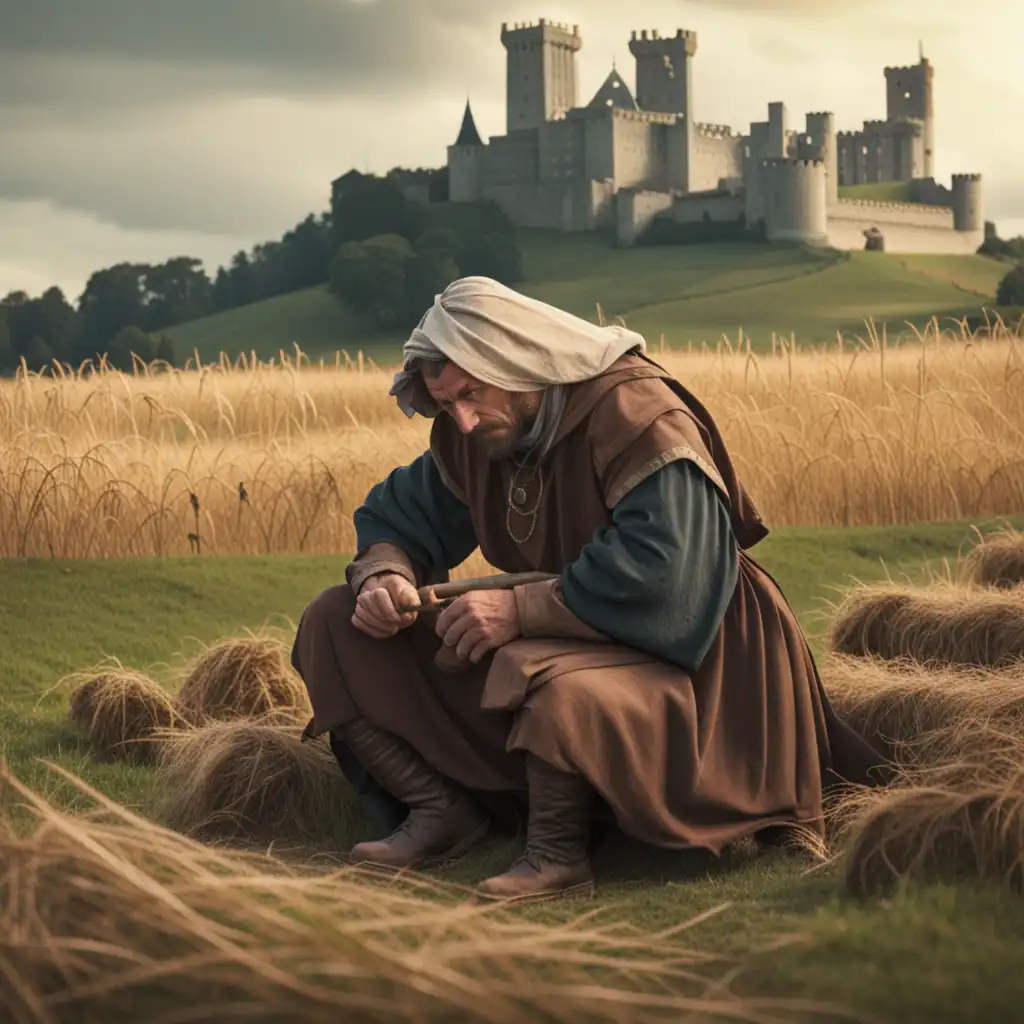
In historical contexts, a peasant or farm servant
In medieval times, villains were bound to the land and had to serve the lord.
오디오를 불러오지 못했어요. 잠시 후 다시 시도해 주세요.
The word 'villain' refers to a character or a person who does bad things, like hurting or harming others, stealing or cheating, and generally causing trouble or harm. This word can be used to describe a character in a story or a movie who is the bad guy or the antagonist. In real life, it can be used to describe someone who behaves badly or does something wrong, like a criminal or a dishonest person. It is important to note that the word 'villain' is often used in a playful or exaggerated way, so it may not always be a serious insult.
A criminal is a person who commits a crime, which is defined as an act that violates the law. This can include anything from theft to assault to murder.
Criminals are subject to punishment by the legal system, such as imprisonment or fines.
In essence, a criminal is a real-life person who breaks the law, while a villain is a fictional character who represents evil or wrongdoing in a story.
Criminals are subject to punishment by the legal system, while villains are often defeated or punished within the context of the narrative they appear in.
단어 열기: Criminal →Delinquent refers to a person who breaks rules or laws, typically in a minor way.
So, while both words describe people who break rules, delinquent is more commonly used for minor offenses, while villain is reserved for more severe or malicious actions.
단어 열기: Delinquent →Malefactor is a person who commits a crime or does something wrong, whereas villain is a person who is extremely wicked or evil and often portrayed as the antagonist or opposing force of the hero in a story.
Malefactor can be used in a broader sense to describe anyone who breaks the law or does something that's not right, while villain is typically reserved for characters who play a significant role in a story and commit morally reprehensible acts.
In simpler terms, a malefactor may be someone who gets a traffic ticket, while a villain is more likely to be someone like Darth Vader or the Joker.
단어 열기: Malefactor →Both miscreant and villain refer to individuals who behave badly, but they have different connotations.
Miscreant often implies that the person has done something wrong, but it may not necessarily be extremely malicious. For example, someone who has committed a minor offense may be called a miscreant.
The term miscreant is used more generally to describe individuals who have gone against societal norms or rules, while villain describes people who deliberately cause harm and are considered evil.
단어 열기: Miscreant →Outlaw refers to a person who has broken the law or committed a crime and is therefore considered a fugitive or outlawed by society.
The term outlaw is often associated with someone who has been banished or exiled from their community.
The term outlaw is more specific to someone who has broken the law, while villain is a broader term for someone who is generally bad or evil.
단어 열기: Outlaw →Rascal refers to a mischievous or playful person who may do things that are a bit naughty, but not necessarily harmful or evil.
Rascal describes someone who is mischievous while villain describes someone who is intentionally harmful to others.
단어 열기: Rascal →Both rogue and villain typically refer to a person who behaves in an unethical or unlawful way, but there are some notable differences between the two words.
A rogue is usually someone who is unpredictable and difficult to control.
A rogue might act in a way that's not necessarily evil or malicious, but still poses a risk to others.
For example, a rogue elephant might wander into a village and cause chaos, but it's not necessarily doing so out of a desire to harm people.
So, in short, you might use rogue to describe someone who is behaving unpredictably, whereas you would use villain to describe someone who is actively doing harm.
단어 열기: Rogue →A scoundrel is someone who is considered dishonest or unscrupulous, often engaging in immoral behavior or deceitful practices to achieve their goals.
A scoundrel is someone who engages in immoral or deceitful behavior, while a villain is someone who is viewed as being intentionally malicious or evil.
The term scoundrel is typically used for less serious wrongdoings, while villain is used for those who commit more severe crimes.
단어 열기: Scoundrel →Wretch can describe someone who is pitiable or miserable, either because of their own actions or due to external circumstances.
Villain is applicable when talking about someone who is intentionally bad, while wretch is applicable when talking about someone who is unfortunate or pitiable.
단어 열기: Wretch →He was one of the most influential figures of the 20th century, forever changing the course of one of the world's largest countries. But was he a hero who toppled an oppressive tyranny or a villain who replaced it with another?
YouTube에서 보기 ↗The most propagandistic element of 'Frozen' was the transformation of the prince at the beginning of the story, who was a perfectly good guy, into a villain with no character development whatsoever about three-quarters of the way to the ending.
really is a celebration of the human mind's infinite capacity to make any of us kind or cruel, caring or indifferent creative or destructive, and it makes some of us villains. And the good news that I'm going to hopefully come to at the end is that it makes some of us heroes.
YouTube에서 보기 ↗Your life is like a play with several acts. Some of the characters who enter have short roles to play, others, much larger. Some are villains and others are good guys. But all of them are necessary; otherwise, they wouldn't be in the play. Embrace them all, and move on to the next act.
our work we knew our team had to be out of china before the article hit the newsstands why well Brian's got some pretty potent things to say by every measure china is the world's villain when it comes to the illegal ivory trade
YouTube에서 보기 ↗I like my villains clever, deep, and driven by pure evil.
so we were there to film a sequence on gentoo penguin fledglings being predated upon or at least attacked by leopard seals the ultimate villain so i got there about a couple of weeks before the main action was due to start and during this time i was filming the gentoo penguin chicks up in the colony
YouTube에서 보기 ↗The villain of any story is often the most compelling character.
audience who will now be the next villain on the next indiana jones' oh the Indian Elmo sky so terrible I don't know his name okay I'm Indian text a friend of mine said he thought his speech should have been more substantive and more truly
YouTube에서 보기 ↗Every character, before they are heroes or villains, they are human beings.
Traditions and holidays are important to all cultures, but a hero in one era may become a villain in the next as our historical knowledge expands and our values evolve. And deciding what these traditions should mean today is a major part of putting history on trial.
YouTube에서 보기 ↗The villain is the character that the people remember.
these can often be understood the first time you hear them. And sometimes a new word isn't new at all. Obsolete words gain new life by adopting new meanings. Villain originally meant a peasant farmer but in a twist of aristocratic snobbery
YouTube에서 보기 ↗I only help the superheroes, I don't help the villains.
The audience is in on a secret that the characters have missed. This is a great story-telling device that creates tremendous emotion within that text. Think about it for a moment. How does it feel when in a horror film, you know that the scary villain is hiding behind that door in the darkened room. The music becomes eerie,
YouTube에서 보기 ↗Super villains and bad guys win in real life.
So for me it wasn't only about these attacks I had to face. It was about living two totally different perceptions of my personality of my person -- the villain back in my home country, and the hero outside.
YouTube에서 보기 ↗I try to give both my heroes and villains an emotional dimensionality which provides the motivation for their actions.
because the villain entropy, is preordained to have the final victory, when the inexorable laws of thermodynamics shut down all novelty with the so-called heat death of the universe.
YouTube에서 보기 ↗As you do on any cable series, if they introduce you as the villain, then you better start working towards making him a really good guy, or if they introduce you as a really good guy, then you better start working towards being the villain. Your character has to go somewhere, or else they become very uninteresting.