price
noun price
praɪs
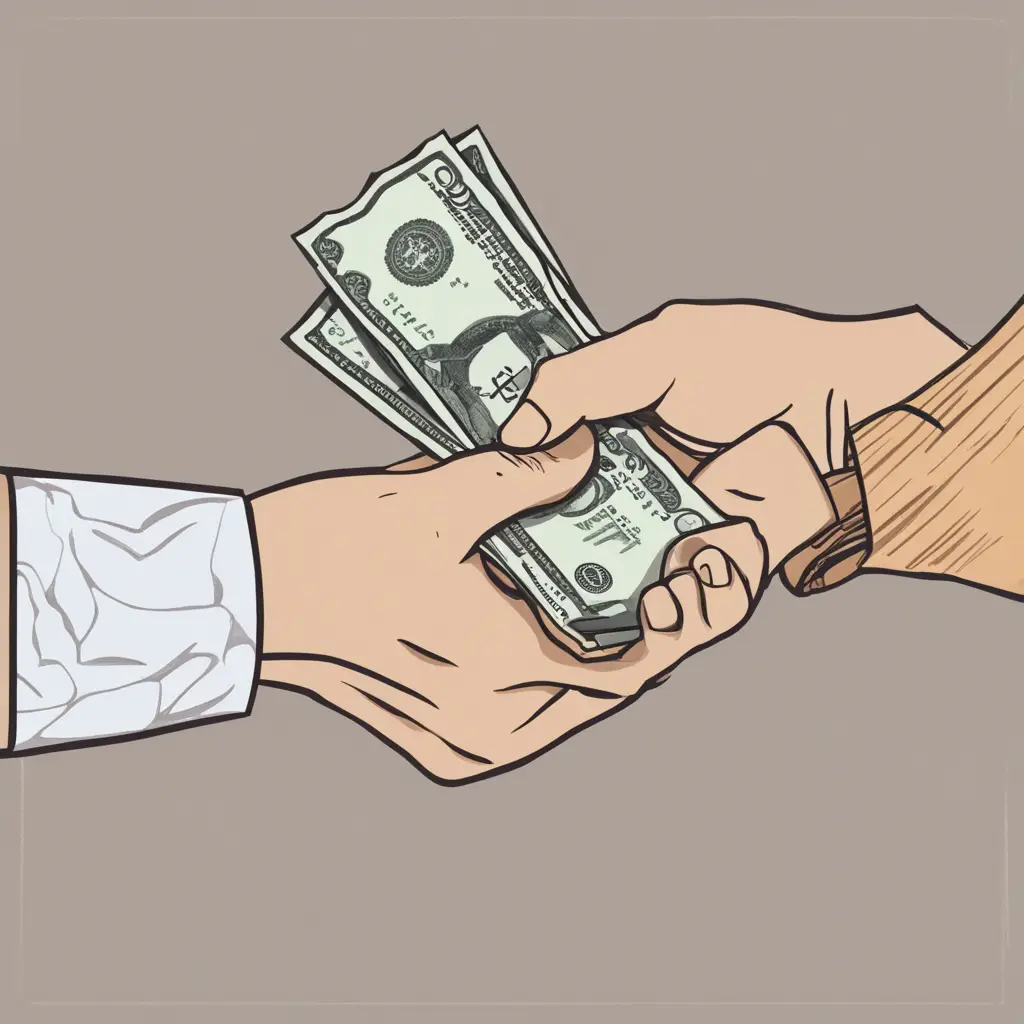
The amount of money you need to pay to buy something
The price of the car is too high.
price
praɪs
加载中…
praɪs
The amount of money you need to pay to buy something
The price of the car is too high.

praɪs
The negative result or effect of an action
He paid the price for his mistakes.

praɪs
To decide and state how much money something should cost
The products have been priced at $50 each.
praɪs
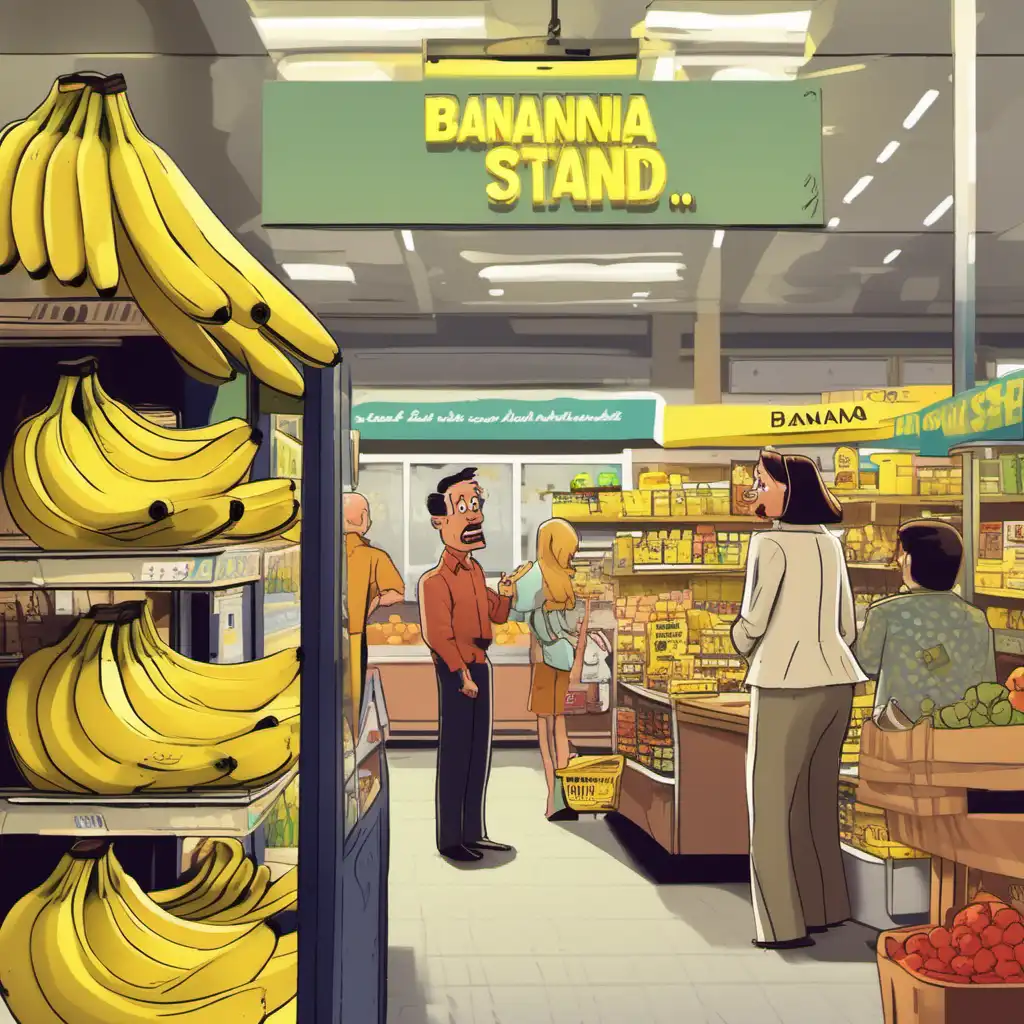
The amount of money that is usually paid for goods or services
The price of bananas has increased.
音频无法加载,请稍后再试。
The word 'price' refers to the amount of money that is required to be paid in exchange for a product or service. It is important to know the price of something when you want to buy it, sell it, or compare it with other similar things. For example, when you go to a store to buy a shirt, you need to check the price tag to know how much it costs before making a decision to buy it. Similarly, when you sell a product, you need to decide on a fair price for it. Understanding the concept of price is important for daily transactions involving money.
Charge refers to the amount of money or cost of a service, product, or item that a company or person demands from a customer or client.
It can also mean to request payment or ask someone to do something. Charge is applicable when discussing fees, bills, invoices, or salaries.
打开单词: Charge →Cost refers to how much it takes to produce or obtain something, including materials, labor, and other expenses.
In simpler terms, cost is what it takes to make something, while price is what you pay to own it.
打开单词: Cost →A fee is a charge for a specific service or activity, while a price is the amount of money charged for a product or service.
A fee is usually charged for a service that requires a specific skill or expertise, like a doctor's fee or a service charge in a restaurant.
A price is the amount of money that is paid for buying or purchasing a product, like the price of a book or a T-shirt. The fee is applicable where there is a specific service or activity offered, whereas the price is applicable in the case of purchasing a product or commodity.
打开单词: Fee →Price and rate are two different words that are often used interchangeably, but they are not the same thing.
Rate refers to a measurement of something per unit of time, such as miles per hour or dollars per hour. For example, the rate of pay for a job might be $15 per hour.
Price describes the cost of an item, while rate describes how much of something is produced or consumed over a specific period of time.
打开单词: Rate →A tariff is a tax or fee charged on specific goods or services, usually imposed by a government. The purpose of the tariff may be to raise revenue, protect domestic industries, or regulate imports and exports.
Tariffs are generally applied in international trade, where one country charges a tariff on goods imported from another country.
The main difference between price and tariff is that the former is determined by the seller while the latter is imposed by the government.
Price applies in the buying and selling of goods and services, while tariff applies in international trade.
打开单词: Tariff →Value refers to the worth or usefulness of a product or service to the buyer. It is a subjective concept and varies from person to person.
Value is not always directly related to a product’s price.
Price is what you pay for something, while value is what you get out of it. For example, a luxury car may have a high price, but if it provides the buyer with a sense of status and prestige, then it may be of high value to them.
Likewise, a cheaper car may not have a high price, but if it provides reliable transportation to the buyer, then it may be of high value to them.
打开单词: Value →Price refers to the amount of money that you pay for something, while the word worth refers to the value or usefulness of something.
For example, the price of a new laptop may be $1000, but its worth to someone who needs it for work or school may be much higher than that.
A fancy designer handbag may have a high price, but its actual worth may not be as much because it may not be very practical or useful.
Price is used when talking about the cost of something, while worth is used when talking about the value or importance of something beyond just its cost.
打开单词: Worth →The young bull gambled everything and has paid a heavy price.
在 YouTube 上观看 ↗The price of greatness is responsibility.
While this would stimulate business it would also encourage overconsumption, or hoarding commodities like food and fuel, raising their prices and leading to consumer shortages and even more inflation. But deflation would make people want to hold onto their money, and a decrease in consumer spending
在 YouTube 上观看 ↗Freedom is never dear at any price. It is the breath of life. What would a man not pay for living?
and we have put so much emphasis on profits, on short-term quarterly earnings and share prices, at the exclusion of all else. It's like we've ripped the humanity out of our companies. Now we don't do that -- conveniently reduce something
在 YouTube 上观看 ↗Courage is the price that life exacts for granting peace.
prices tend to be stable over time while renewable energy has many advantages it is not without downsides it is difficult for renewable energy sources to generate power on the same large scale as fossil fuels building wind farms and dams can disrupt the wildlife and migration
在 YouTube 上观看 ↗We gain freedom when we have paid the full price.
an economic tension that's what kept the Cold War alive and well not coincidentally life liberty and the pursuit of happiness the only three things for which we will bear any burden and pay any price and fight forever to
在 YouTube 上观看 ↗Responsibility is the price of freedom.
and is now a delicacy. Unfortunately these deep water fish don't reproduce until they're at least ten years old, making them extremely vulnerable to overfishing when the young are caught before they've had the chance to spawn. Consumer taste and prices can also have harmful effects.
在 YouTube 上观看 ↗What is the price of experience? Do men buy it for a song? Or wisdom for a dance in the street? No, it is bought with the price of all the man hath, his house, his wife, his children.
This is an example of the anchoring effect, and it's often used in marketing and negotiations to raise the prices that people are willing to pay. So if heuristics lead to all these wrong decisions, why do we even have them? Well because they can be quite effective. For most of human history,
在 YouTube 上观看 ↗You have to understand that people have to pay a price for peace. If you dare to struggle, you dare to win.
Luckily this rarely happens. That's why QuickSort is one of the most efficient strategies used by programmers today. They use it for things like sorting items in an online store by price, or creating a list of all the gas stations close to a given location sorted by distance.
在 YouTube 上观看 ↗Nature cannot be tricked or cheated. She will give up to you the object of your struggles only after you have paid her price.
and what price they'd be willing to pay. This part of the process changes as technology evolves. But focus groups have remained largely the same for decades. Perhaps when it comes to the big important questions,
在 YouTube 上观看 ↗The price of being close to the President is delivering bad news. You fail him if you don't tell him the truth. Others won't do it.
the most impressive wingspan these are incredibly rare here the simple fact that they're so beautiful that collectors will pay immense prices for them apparently if you can get a live specimen to japan they've been worth about as much as a thousand us dollars
在 YouTube 上观看 ↗I paid too heavy a price for perestroika.