
polygon
noun polygon
ˈpɑːliɡɑːn
A shape that has many sides (at least three), and each side is a line.
A triangle is a polygon with three sides.
polygon
ˈpɑːliɡɑːn
Cargando…
ˈpɑːliɡɑːn
A shape that has many sides (at least three), and each side is a line.
A triangle is a polygon with three sides.
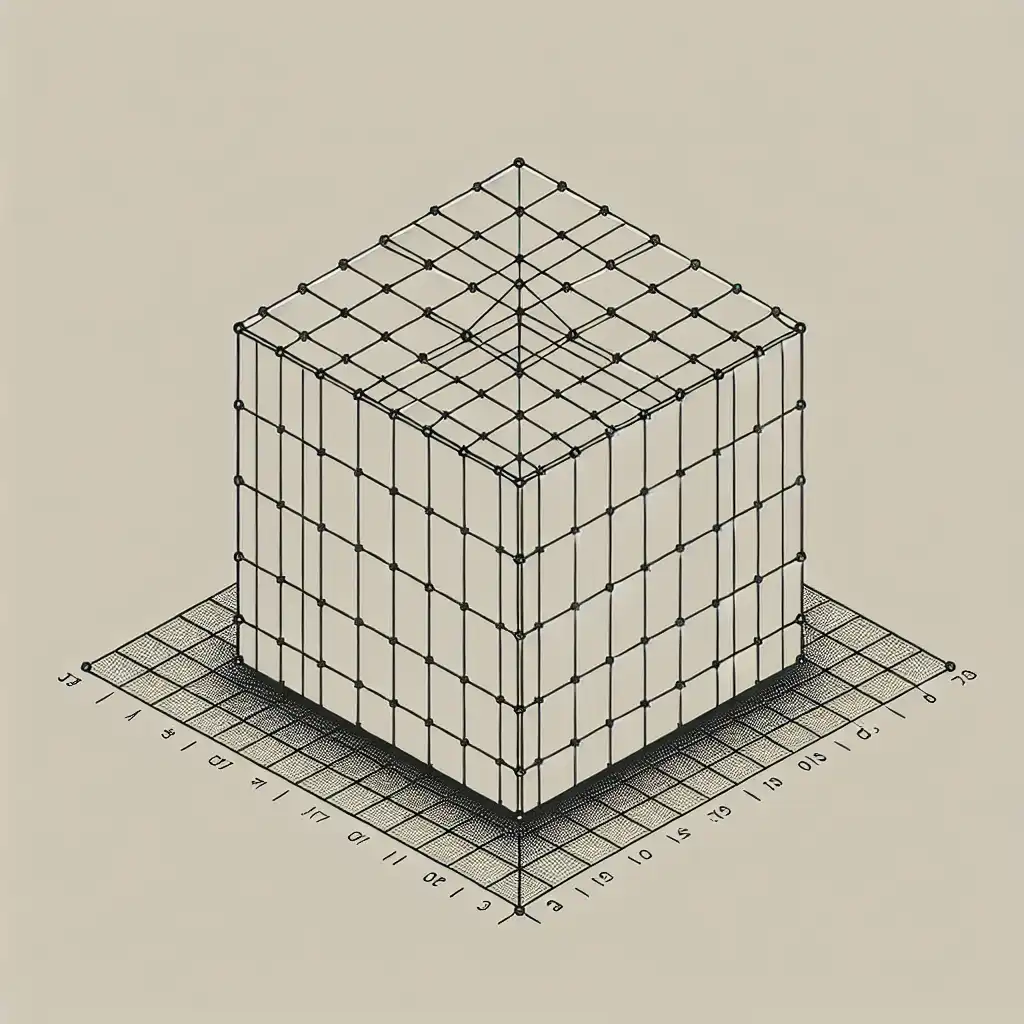
ˈpɑːliɡɑːn
In computing, a shape created from joined points on a coordinate system.
In computer graphics, objects are often modeled as a network of polygons.
No se pudo cargar el audio. Inténtalo de nuevo más tarde.
A polygon is a shape that has straight lines and corners. It can have three sides, four sides, five sides, or more. You can see polygons all around you in things like stop signs, buildings, and computer screens. So if you want to talk about shapes with straight lines and corners, you can use the word polygon!
A figure is any shape or form that has a boundary or outline.
It can be a simple or a complex shape with a variety of angles and lines. For example, a circle, an oval, or a rectangle can be called a figure.
A polygon is a specific type of figure that has straight sides and angles. It is a closed figure made up of three or more line segments that intersect at endpoints.
A figure is a general term for any shape or form with a boundary, while a polygon is a specific type of figure that consists of straight sides and angles.
The term figure is applicable in general contexts, while the term polygon is commonly used in geometry and mathematics.
Abrir palabra: Figure →A polygon is a specific type of shape that has straight sides and angles. Examples of polygons include triangles, squares, and pentagons.
A shape is a much broader term that can refer to any object or form that has a boundary or outline.
Shapes can be both 2-dimensional (like circles or rectangles) or 3-dimensional (like spheres or cubes).
The term shape is more commonly used in everyday language, while the term polygon is more commonly used in mathematics and geometry.
Abrir palabra: Shape →Is math discovered or...
Ver en YouTube ↗To the game code, the world is still just a tile map, but for rendering, each map was exported as a general-purpose 3D model, and the artists could then go through it and spend the polygons any way they liked, without the limits of line-of-constant-z software rasterization that we lived with on the mobile phones.
Conrad Wolfram: Teaching...
Ver en YouTube ↗Many people are taking 2D games and making them into 3D games by recreating the characters in polygons. But the gameplay's still the same, and that's not what they should be doing.
Storytellers Summit Day...
Ver en YouTube ↗With our next generation hardware, polygon rendering will probably be an area we'll get more heavily into.
Calling out misogyny in...
Ver en YouTube ↗For the third generation Unreal Engine, we are building two versions of every model in our game. We are building a source model with several million polygons, between 2 and 6 million polygons. We use that model for all the lighting detail on the mesh. Then we go to the in-game version, which is usually about 10,000 polygons.
Can you solve the...
Ver en YouTube ↗Matthew Carter: My life...
Ver en YouTube ↗Ed Ulbrich: How Benjamin...
Ver en YouTube ↗Why are manhole covers...
Ver en YouTube ↗Pixar: The math behind...
Ver en YouTube ↗The mathematician who...
Ver en YouTube ↗