absorbency
noun absorbency
əbˈzɔːrbənsi
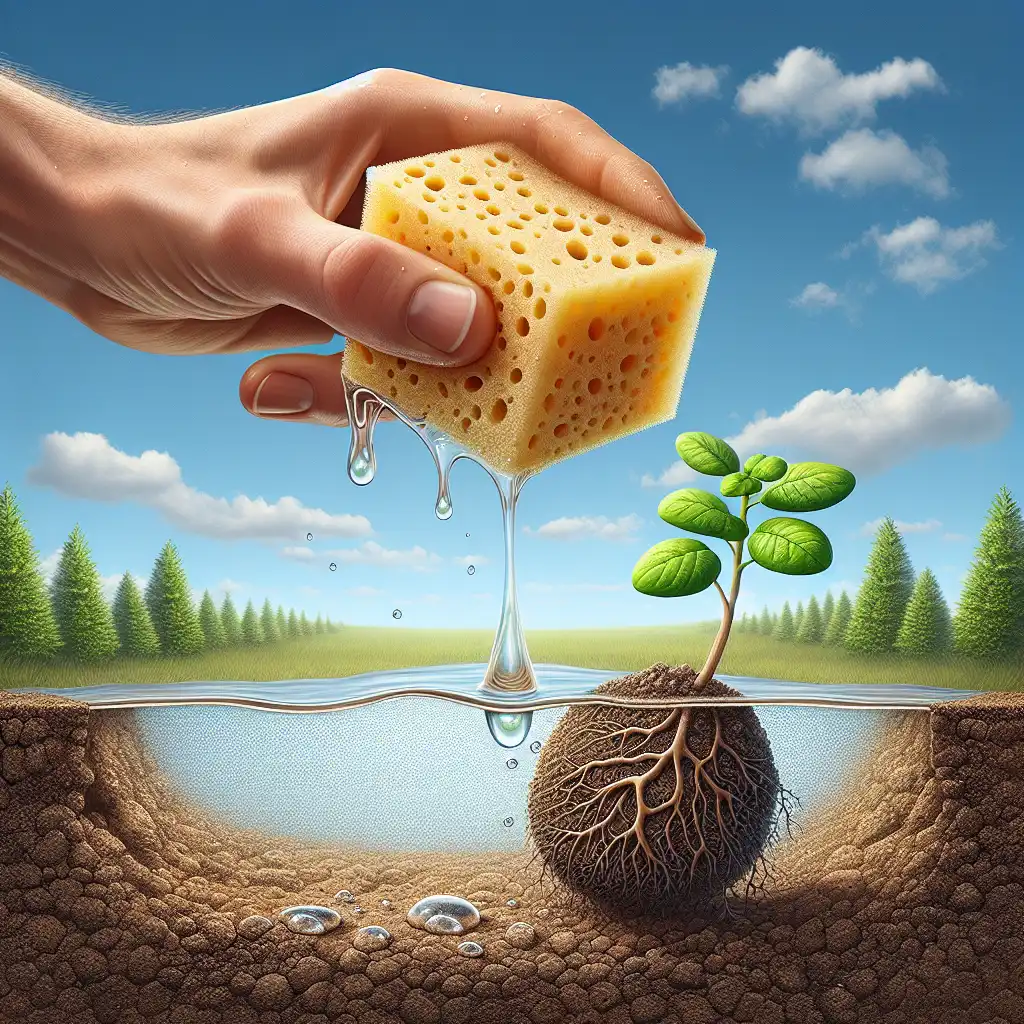
The ability to take in a liquid or gas
The absorbency of the soil depends on its composition.
absorbency
əbˈzɔːrbənsi
Cargando…
əbˈzɔːrbənsi
The ability to take in a liquid or gas
The absorbency of the soil depends on its composition.
əbˈzɔːrbənsi
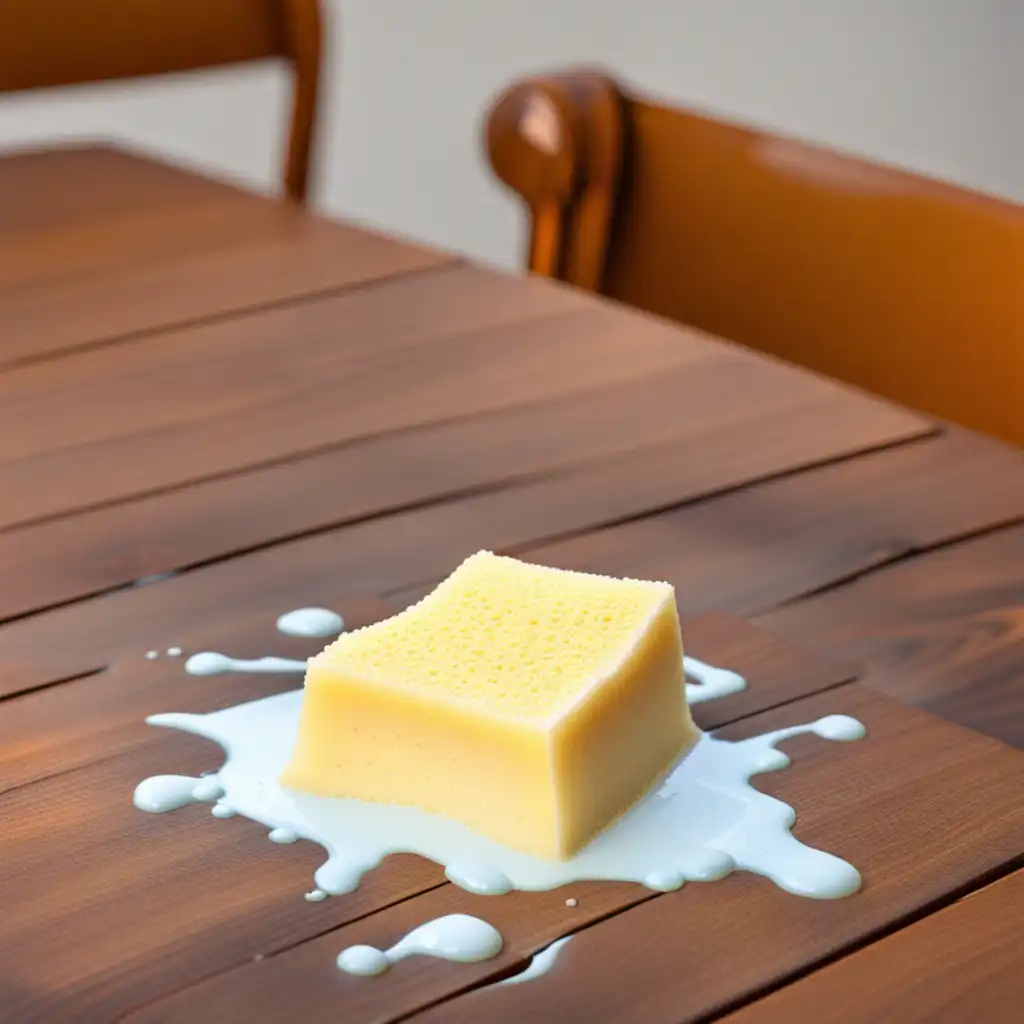
The process of taking in a liquid or gas
The absorbency of the sponge makes it useful for cleaning spills.

əbˈzɔːrbənsi
The characteristic of a material that allows it to absorb energy
The new insulation material has a high thermal absorbency.

əbˈzɔːrbənsi
The ability of a material to absorb radiation
In radiology, absorbency of different tissues is crucial for imaging.
No se pudo cargar el audio. Inténtalo de nuevo más tarde.
The word 'absorbency' is used to describe how well something is able to soak up or absorb liquids or moisture. For example, when choosing a towel, you might look for a highly absorbent one that can dry you off quickly. Similarly, in regards to hygiene products, you might want something with high absorbency, like a diaper or pad, to prevent leaks. It is also used in the context of materials used in construction, like insulation or roofing, to describe how well they are able to absorb water or moisture.
Absorbency refers to the ability of a material to soak up or take in liquid or gas, while assimilate refers to the process of absorbing information or ideas and integrating them into one's understanding or culture.
Assimilate is applicable to learning new ideas, customs, or cultures, such as when someone moves to a new country and learns the local customs and language.
Abrir palabra: Assimilate →Ingestion refers to the act of swallowing or taking something in through the mouth or digestive system. It is applicable to food or drink that we consume, as well as medications or substances that can be harmful if ingested.
Absorbency is about liquids being soaked up by something, while ingestion is about things being consumed by our bodies.
Abrir palabra: Ingestion →Absorbency refers to the ability of a material to soak up a liquid or gas into its own structure, whereas permeability refers to the ability of a material to allow fluids or gases to pass through it.
Permeability is more applicable in situations where a material, such as a membrane or filter, is meant to let certain fluids or gases pass through while blocking others.
Abrir palabra: Permeability →Porosity refers to the presence of spaces or pores within a material. These spaces can be filled with air, liquid, or other substances.
Whereas absorbency relates specifically to the amount of liquid that a material can take in, porosity describes the structure of the material itself.
Porosity can be important in other applications, such as in the construction of filters or in the absorption of sound waves.
Absorbency refers to a material's ability to take in a liquid, while porosity refers to the presence of small spaces or pores within the material.
Abrir palabra: Porosity →Retention refers to the ability of a material to hold onto or keep fluids or gases within its structure after it has been absorbed.
For example, a diaper needs to not only be absorbent, but also have good retention, so that the fluid does not leak out.
However, absorbency mainly pertains to products that need to absorb liquids or gases, while retention is more focused on the ability to hold onto these fluids or gases after being absorbed.
Abrir palabra: Retention →Saturation refers to the point when a material has absorbed as much liquid as it can hold. When something is fully saturated, it cannot absorb any more liquid.
Both terms are applicable in situations where there is a need to manage or control fluids or liquids. Absorbency is relevant when considering the capacity of a material to take in a certain amount of liquid, while saturation describes the point at which this ability is exhausted.
Abrir palabra: Saturation →Sponginess refers to the compressibility or elasticity of a material. A sponge, for example, is spongy because it can be pressed down, then spring back into shape.
Sponginess is applicable in situations where a material needs to be able to absorb impact or pressure, such as with athletic shoes or cushioning materials.
Abrir palabra: Sponginess →How to Pee in Space %\PIPE%...
Ver en YouTube ↗