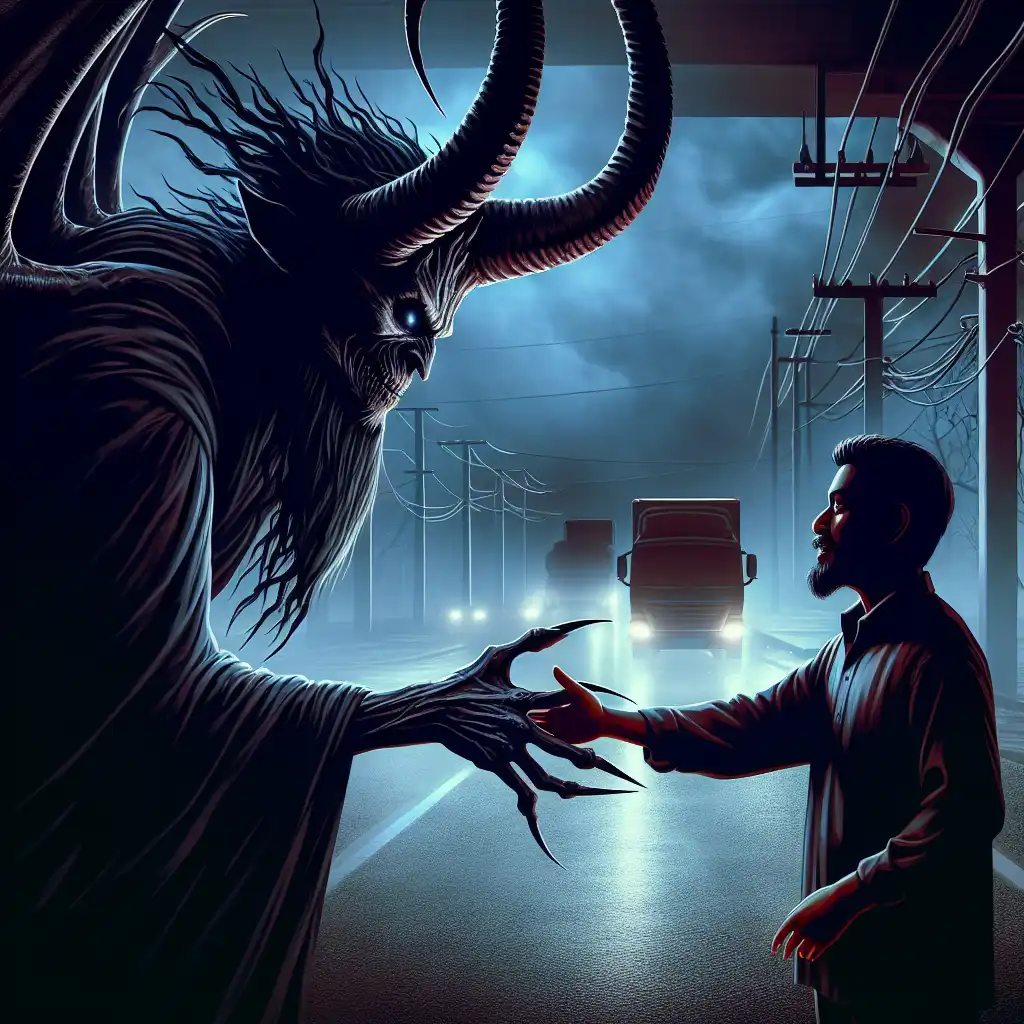
lucifer
noun lucifer
ˈluːsɪfər
another name for the Devil
The character in the story made a deal with Lucifer himself.
lucifer
ˈluːsɪfər
加载中…
ˈluːsɪfər
another name for the Devil
The character in the story made a deal with Lucifer himself.

ˈluːsɪfər
a match made by dipping a stick into sulfur or phosphorus
He used the lucifer to light his cigarette.

ˈluːsɪfər
a person who brings light or illumination, an enlightener
His innovative ideas have made him a lucifer in the industry.
音频无法加载,请稍后再试。
The word "lucifer" originally meant "light-bearer" in Latin, and was used to refer to the morning star (Venus), because it appeared in the sky just before sunrise and seemed to bring light to the darkness. However, in English, "lucifer" has come to be more commonly associated with the devil or Satan, due to its use in some religious texts and mythology. Therefore, it is important to understand the context in which the word "lucifer" is being used before using it yourself. If you hear it used in a religious context or in reference to Satan, it is probably not appropriate to use in everyday conversation. However, if you are discussing astronomy or mythology, it may be acceptable to use the word in its original sense to refer to the morning star.
Adversary refers to an opponent or enemy in a conflict or dispute.
Adversary is a general term for an opponent, while Lucifer has religious connotations and specifically refers to the devil.
打开单词: Adversary →Demon is a general term for a supernatural being that is often seen as evil or mischievous. In various cultures, demons can be depicted as anything from mischievous pranksters to terrifying monsters.
Demon is a more general term for any supernatural being, while Lucifer specifically refers to a fallen angel in Judeo-Christian beliefs.
打开单词: Demon →Devil generally refers to an evil spirit or supernatural being that is associated with darkness, sin, and temptation.
The devil is often understood to be an adversary of God and is commonly associated with Hell.
On the other hand, Lucifer is a name that is often used to refer to the devil or Satan.
Devil is a more general term that refers to an evil spirit, while Lucifer is a specific name that is associated with a fallen angel who represents pride and rebellion.
打开单词: Devil →Both Lucifer and Satan refer to figures associated with evil or darkness, but they have different origins and applications.
Satan is a Hebrew word that means "adversary" or "accuser."
In Christianity, Satan has come to be understood as a fallen angel or demon who opposes God and seeks to undermine his plans.
In summary, Lucifer refers specifically to the fallen angel associated with rebellion against God, while Satan is a more general term for any figure who opposes God's will.
打开单词: Satan →Tempt means to entice or encourage someone to do something that is wrong or unwise.
Lucifer describes a personification of evil, while tempt describes the act of enticing someone to do something bad.
打开单词: Tempt →okay the Tyson's rose up against the gods Lucifer against Jehovah and anybody who has a teenager has heard these words I hate you in the road in my life I thank
在 YouTube 上观看 ↗Lucifer has a sense of fun about life; he just likes to play with people. But the sense of humor of the show is what makes the show entertaining as opposed to dark.
and it combines with another thing called luciferin and you notice both of them have the word lucifer in them so they're named after the dark angel of light lucifer that's
在 YouTube 上观看 ↗Lucifer is a master at gradual deception.
Lucifer against Jehovah. And anybody who has a teenager has heard these "I hate you and you're ruining my life! I hate you!" Now just imagine that sentiment with a machine that can outthink you and is heavily armed. The result?
在 YouTube 上观看 ↗Lucifer likes to have fun, but we need to make sure that he's also rooted in a proper journey. For the first few episodes after a pilot, you're just trying to establish your world and the starting points for your characters. But I feel like, as the stakes went up, the 'Lucifer' veneer got less and less.