
nationhood
noun nationhood
ˈneɪʃnhʊd
The status of being a separate and independent nation
The country fought for years to achieve its nationhood.
nationhood
ˈneɪʃnhʊd
Đang tải…
ˈneɪʃnhʊd
The status of being a separate and independent nation
The country fought for years to achieve its nationhood.
ˈneɪʃnhʊd
The awareness or consciousness of belonging to a nation
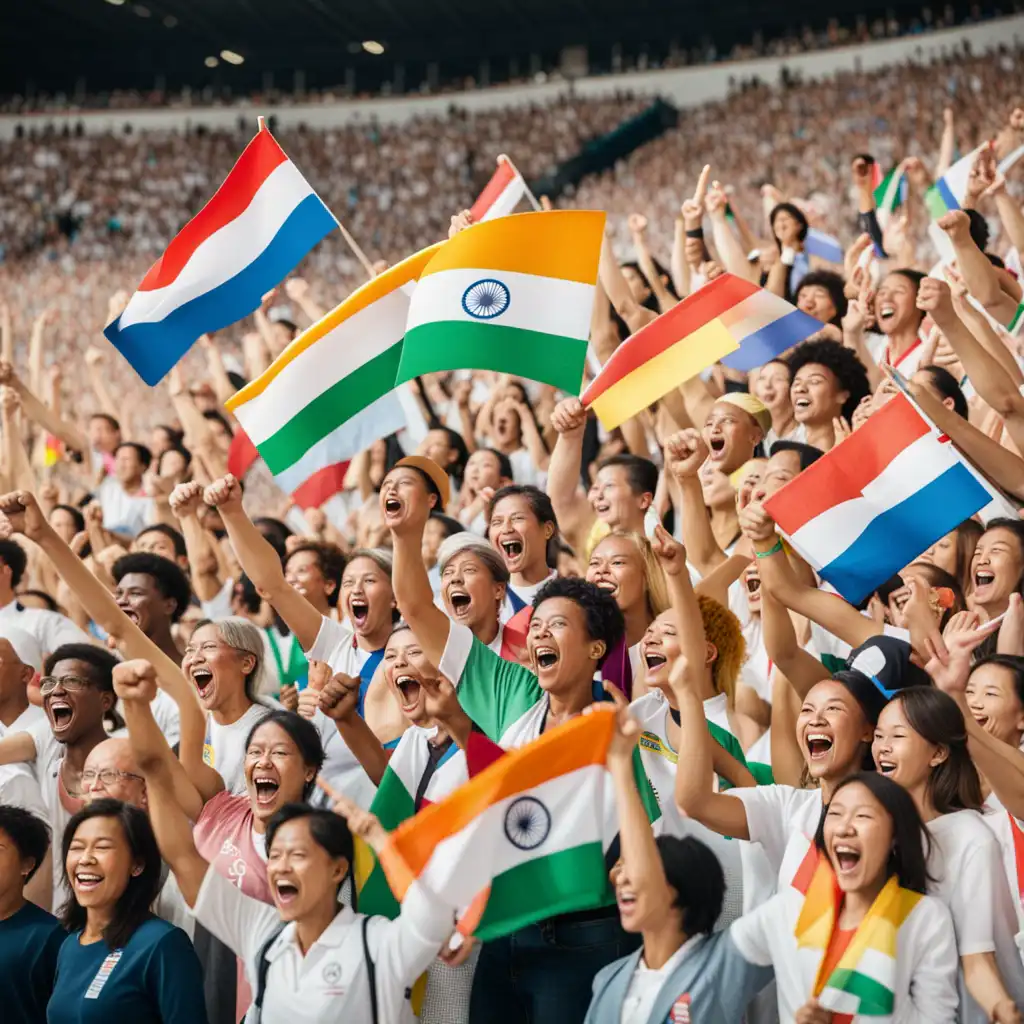
The Olympic games often foster a sense of nationhood among countries.
Không tải được âm thanh. Vui lòng thử lại sau.
Nationhood refers to the state or condition of being a nation, which is a large group of people who share a common language, culture, history, and government. You can use the word 'nationhood' when talking about the identity and sovereignty of a particular country or when discussing issues related to the unity and diversity of a society. For example, you could say "The concept of nationhood is important in understanding the history of Scotland" or "Different ethnic groups are struggling to find a common sense of nationhood in the United States."
Autonomy refers to the ability of a group or individual to make their own decisions and control their own affairs. It usually refers to a smaller unit within a larger organization, such as a state within a country or a region within a state.
For example, tribal communities may seek autonomy within a larger country to control their own affairs.
Autonomy refers to the ability to self-govern within a larger organization, while nationhood refers to the identity and status as a sovereign state.
Mở từ: Autonomy →Citizenship refers to the legal status of being a member of a certain country and having the rights and responsibilities associated with that membership.
Citizenship is a legal status, while nationhood is a cultural identity.
Mở từ: Citizenship →The term country refers to a geographical area or territory that is occupied by a group of people who are governed by a government or a group of leaders.
While the term country focuses on the physical location or territory, nationhood is related to the cultural identity of the people who inhabit that country.
For example, the United States is a country, but it is also known for its strong sense of nationhood with shared beliefs about freedom, democracy, and individual rights.
A country is a physical place, while nationhood refers to the identity and sense of belonging of a group of people who share common cultural values, attitudes, and beliefs.
Mở từ: Country →Homeland refers to the physical territory or land where a person or a community comes from, typically associated with a sense of belonging, identity, and cultural heritage.
For example, a Kurdish person may refer to Kurdistan as their homeland, which is the territory in the Middle East where the Kurdish people originate from.
However, they may not have nationhood, meaning they do not have a recognized independent state. In contrast, the United States is a nation that offers its citizens a sense of nationhood, but many individuals may come from different homelands such as Mexico or India.
Mở từ: Homeland →Independence refers to a state or condition where a country or people have the freedom to govern themselves or make decisions without being controlled by another country.
For example, a country that has achieved independence from a colonial power can now make its own laws and policies without interference.
Independence is about political freedom, while nationhood is about cultural identity and recognition.
Mở từ: Independence →Nationality refers to a person's legal or official identity as a member of a particular country. For example, if someone is born in the United States, their nationality is American.
Nationality is about an individual's legal identity as a member of a particular country whereas nationhood is about the identity of a country or a nation as a whole.
Mở từ: Nationality →Sovereignty refers to the power or authority of a government to rule over its people and make decisions on behalf of its citizens without interference from other countries.
In simpler terms, nationhood is the feeling of belonging to a specific group of people, while sovereignty is the legal and political authority to govern that group of people.
Mở từ: Sovereignty →Statehood refers to the legal recognition and governance of a defined territory by a centralized government. It involves political and legal structures, including a constitution and laws, that create a sovereign state.
Nationhood is about a group of people who share a common identity and culture, while statehood is about the formal recognition of a defined territory by a central government.
Nationhood is applicable to ethnic or cultural groups, while statehood is applicable to geographical territories that have a centralized government.
Mở từ: Statehood →James Robertson: The...
Xem trên YouTube ↗I was born to two people who helped me imbibe feelings of nationhood in my heart and love for the country.
Fans of football and fans of nationhood have a similar zeal. Read the fanzines: their contributors could find a needle-sized diss in a haystack of compliments, and their passions are fundamentalist.
Life should not be a funeral march to the grave. We should have the capacity for being able to lift up not just public dialogue, but lift up each other in a greater cause of nationhood.
Peoplehood tends to develop into nationhood if the people achieves a certain maturity. This is analogous to an individual person who becomes acquainted with herself only in the course of her life, without being able to say that she possessed no personal uniqueness at all before that 'self-recognition.
Like every Canadian, I have been taught that one of the most important functions of art is to supply and elaborate the myths and narratives of nationhood.
The Iraqis have become invested in their nationhood.
Human rights is the soul of our foreign policy, because human rights is the very soul of our sense of nationhood.
For me, ancestry is just one thing that connects us to people, and feeling connected to other people is generally a good thing, as long as one kind of connection does not have primacy over all the others. Heredity, race and nationhood are not the best criteria by which to judge our fellow humans.
Big sporting events and spectacles might give the national morale a shot in the arm, but they are too transient and taste-specific to stand as robust symbols of nationhood.
Missing out an apostrophe or two does not make you an idiot. But equating party allegiance with nationhood certainly makes you a thug. And thugs don't often notice that they're thugs, usually because they're also idiots.