
rondo
noun rondo
ˈrɑːndəʊ
A type of musical composition with a recurring theme
Mozart's Rondo in A minor is a staple piece for pianists.
rondo
ˈrɑːndəʊ
読み込み中…
ˈrɑːndəʊ
A type of musical composition with a recurring theme
Mozart's Rondo in A minor is a staple piece for pianists.
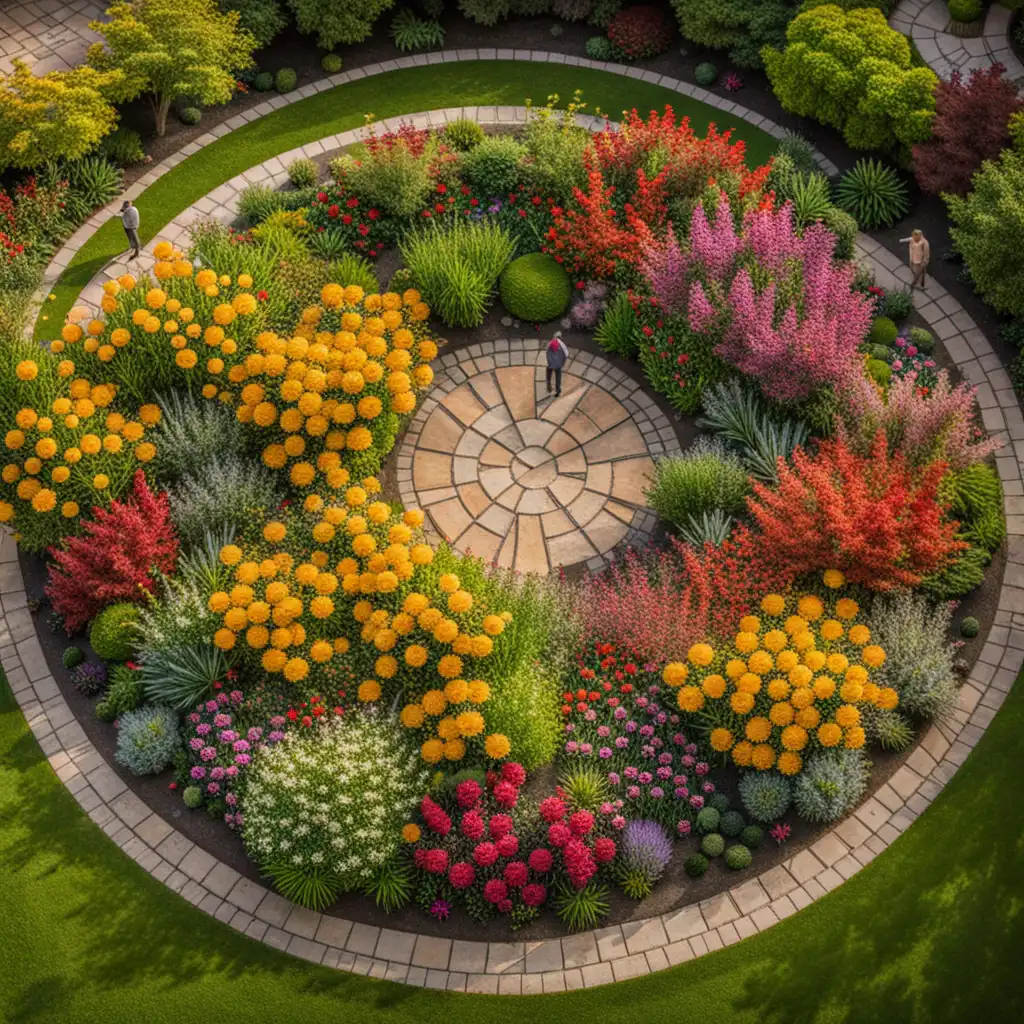
ˈrɑːndəʊ
A circular object or arrangement
The garden had a rondo of flowers at its center.

ˈrɑːndəʊ
A play in basketball where the ball is continuously passed between players without the opposition touching it
The team practiced the rondo as a warm-up before the game.
音声を読み込めませんでした。しばらくしてからもう一度お試しください。
'Rondo' is a musical term used to describe a specific form of a piece of music. A rondo typically has a main melody that is repeated throughout the song, with other melodies called 'episodes' in between each repetition. It is often found in classical music, specifically in pieces written for piano or orchestra. If you're listening to or studying music, you may come across the term 'rondo' and it will refer to this specific structure of the piece.
Composition refers to a piece of music that is created from scratch, usually by a composer.
It is applicable to classical or baroque music compositions.
Composition refers to any music creation, while rondo is a specific form of music composition.
単語を開く: Composition →A motif is a short musical idea or pattern that is repeated throughout a piece of music.
It is used to create structure and cohesiveness in the music. For example, in Beethoven's fifth symphony, the famous "dun dun dun duuuun" motif is repeated throughout the entire piece.
A motif is a musical idea that is repeated throughout a piece, while a rondo is a specific form of music that features a main theme being repeated multiple times.
単語を開く: Motif →Refrain refers to a repeated line or phrase in a poem, song or speech that is meant to emphasize a point or theme. For example, in the song "Twinkle, Twinkle, Little Star", the line "Twinkle, twinkle, little star" is the refrain that is repeated throughout the song.
Refrain is used in poetry and music to refer to a repeated line or phrase, while rondo is a musical form that involves repeating a main theme and interspersing other themes.
単語を開く: Refrain →Reprise and rondo are both musical terms, but they refer to different things.
A reprise is when a musical piece repeats a section or theme that was heard earlier in the piece. It's basically like a "callback" to something that was already played.
Reprises are often used in musicals or operas to remind the audience of a previous song or melody.
A reprise is a repetition of something that has already been played, while a rondo is a specific musical form that includes repeated sections.
単語を開く: Reprise →Rondo and Sonata are both terms used in classical music.
A sonata is a longer piece of music that usually has three or four movements, each with a different tempo and mood. The movements are typically fast, slow, fast, and sometimes an additional fast movement at the end.
A rondo is a shorter and more playful piece of music that repeats a theme, while a sonata is a longer and more complex piece of music with multiple movements and a variety of themes.
単語を開く: Sonata →A rondo is a type of musical form where a main theme keeps coming back several times between different contrasting sections.
Think of it like a game of tennis where players hit a ball back and forth over a net - the main theme is like the ball being passed back and forth between sections.
A theme is simply a musical idea or melody that is repeated throughout a piece of music.
A rondo is a form of music where a main theme keeps being repeated between different sections, and a theme is a musical idea or melody that is repeated throughout a music piece.
単語を開く: Theme →Best of South American...
YouTube で見る ↗We talk too much of black art when we should be talking about art, just art. Black composers must be free to write rondos and fugues, not only protest songs.
Rondo is a very good basketball player - really good.
Rondo is great with the steals, also on offense with the passing and court vision.