bitumen
noun bitumen
bɪˈtuːmən
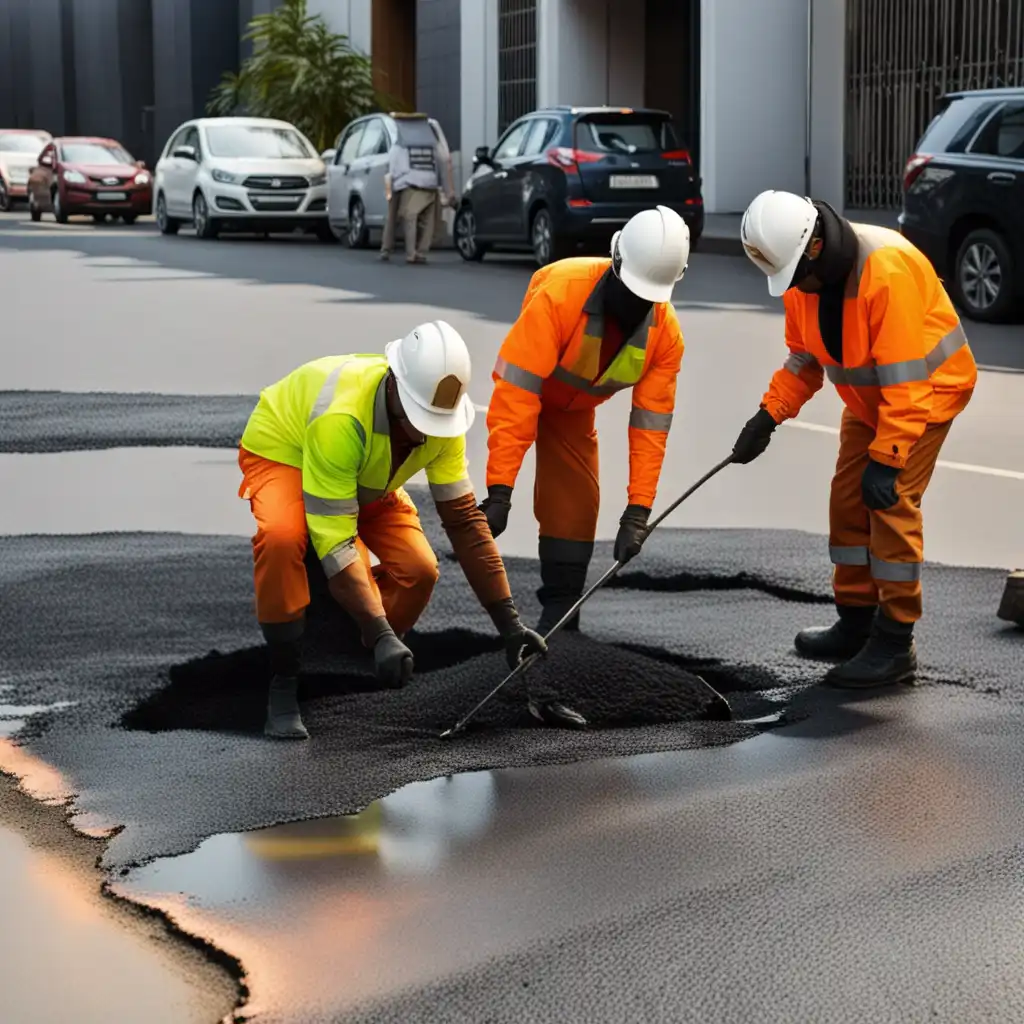
A black, thick oil substance used to make roads.
The city workers spread bitumen on the road to repair the holes.
bitumen
bɪˈtuːmən
Cargando…
bɪˈtuːmən
A black, thick oil substance used to make roads.
The city workers spread bitumen on the road to repair the holes.
bɪˈtuːmən
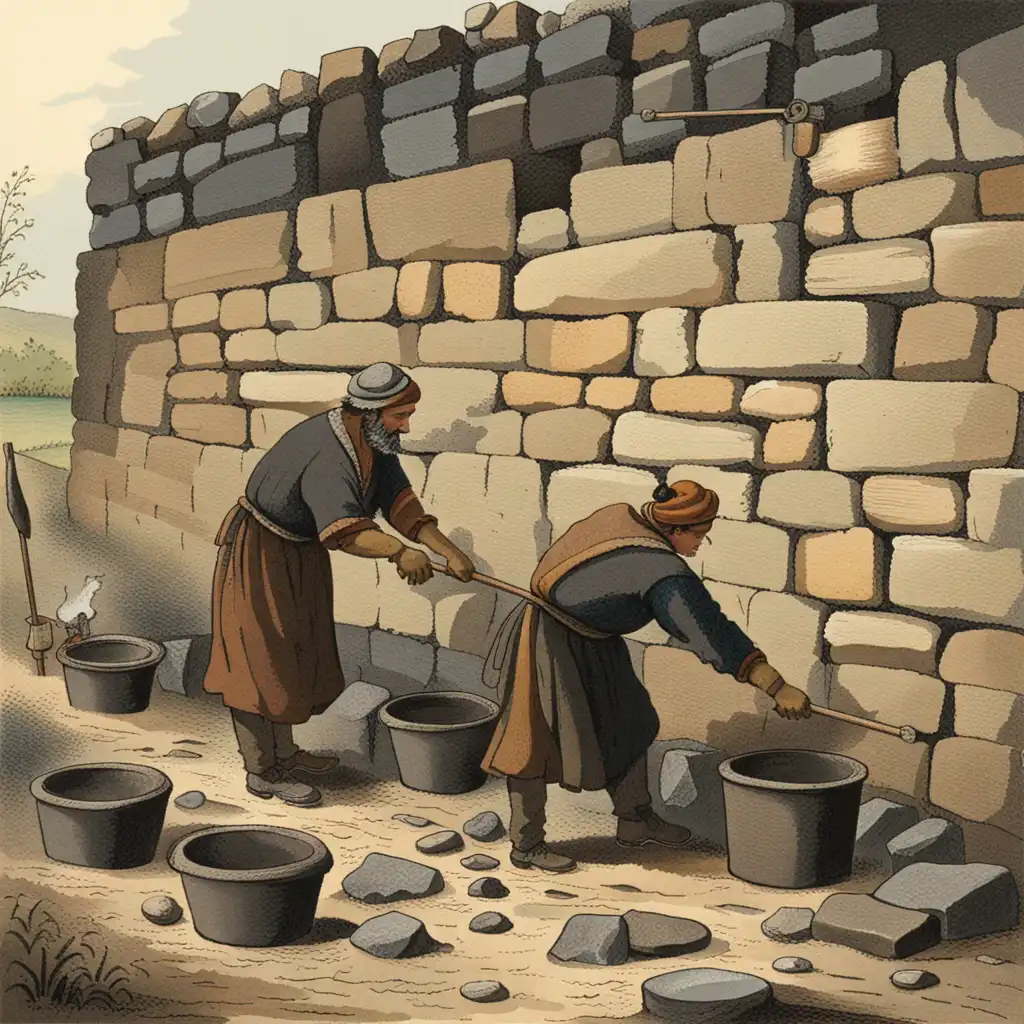
A natural, dark, sticky substance similar to tar.
They used bitumen as an adhesive while building walls in ancient times.
No se pudo cargar el audio. Inténtalo de nuevo más tarde.
Bitumen is a thick and sticky substance that is usually black and is used in making roads and roofs. It is also called asphalt. It is used to make a hard and smooth surface for vehicles to move on and to keep buildings waterproof. You can see bitumen on roads and roofs.
Asphalt and bitumen are both black materials used for paving roads and other outdoor surfaces.
Asphalt is a mixture of aggregates (like rocks and sand) and bitumen, which is a sticky, black, tar-like substance made from crude oil.
It can also be used for pavement surfaces, but it is typically mixed with other materials (like aggregates) to form asphalt.
Asphalt is a mixture of aggregates and bitumen, while bitumen is a natural material used as an adhesive or sealant.
Asphalt is used for outdoor surfaces requiring strength and durability, while bitumen is used more for adhesion and sealing purposes.
Abrir palabra: Asphalt →Bitumen and pitch are both dark, sticky substances that are often used in construction and maintenance projects.
Pitch is a natural material that is derived from the sap of certain trees.
While both bitumen and pitch have similar properties, they are used in different applications. Bitumen is more commonly used in industrial settings, while pitch is more commonly used in traditional construction and manufacturing.
Abrir palabra: Pitch →Bitumen and resin are both sticky substances commonly used in various industries, but they are different in their origin, properties, and applications.
Resin is a natural or synthetic substance that can be solid or semi-solid, and it is usually transparent or translucent.
Resins can be made from natural sources such as tree sap or synthetic materials such as plastics.
Bitumen is a petroleum-based product that is useful for creating durable surfaces for roads and buildings, while resin is a versatile material used for bonding and strengthening materials in various industries.
Abrir palabra: Resin →Tar is a material that is made by heating wood, coal, or peat in the absence of air. It is commonly used for waterproofing and preserving wood, as well as sealing concrete.
While bitumen is more commonly used for roads, tar is more commonly used for construction and preservation purposes.
Abrir palabra: Tar →Bitumen is a thick, black or brown substance that is often used for paving roads or making waterproof seals. Varnish is a clear liquid that is used to coat surfaces such as wood or metal to give them a shiny and protective finish.
Bitumen is used for construction purposes like roads and sealing roofs to prevent water from leaking through. Varnish is primarily used for decorative purposes like giving wood furniture a shiny finish or protecting a painted surface.
Bitumen is more commonly used in outdoor construction projects, while varnish is used more for indoor projects.
Abrir palabra: Varnish →Erik Schlangen: A...
Ver en YouTube ↗It doesn't make sense to have a bitumen export economy.
Safari Live - Day 133 %\PIPE%...
Ver en YouTube ↗I know what difference it makes to a community if a dirt road becomes a bitumen road.
Could the sun be good...
Ver en YouTube ↗Much of the U.S. Midwest is already running on bitumen. Do we want to extend this addiction? And at what cost? Or should we set other goals and say one to two million barrels of oil a day from the tar sands is all we really need to make the transition?
From a Canadian partisan perspective, the more we can upgrade bitumen in Canada, the more we can create jobs in value added, in tax revenues for all Canadians.
In the world of globalization, the fossil fuel masters of the universe who are digging up our boreal forest and our muskeg and scraping out the bitumen would rather have Canadians take all the risks - and then the oceans take the risks to ship it to refineries that they've already built in other countries rather than create jobs for Canadians here.
When we talk about product by pipeline or product by rail we need to be highly specific about what product we are shipping and under what terms and for what purpose. Solid bitumen by rail is safe as houses, but as again crude by rail poses different risk.
The safest way to ship bitumen is by rail. Now, there are other things that you get doing it that way. There's probably more greenhouse gases in shipping it by rail. I think certainly there are.
There's a lot of propaganda that contaminates a discussion around what we should do about pipelines, how our economy may or may not be dependent on exports of raw bitumen.
Bitumen, the new national staple, is redefining the character and destiny of Canada. Rapid development of the tar sands has created a foreign policy that favours the export of bitumen to the United States and lax immigration standards that champion the import of global bitumen workers.
We oppose any pipeline whose sole purpose is to export bitumen from Canada to make profits in other countries.