privateer
noun privateer
ˌpraɪvəˈtɪr
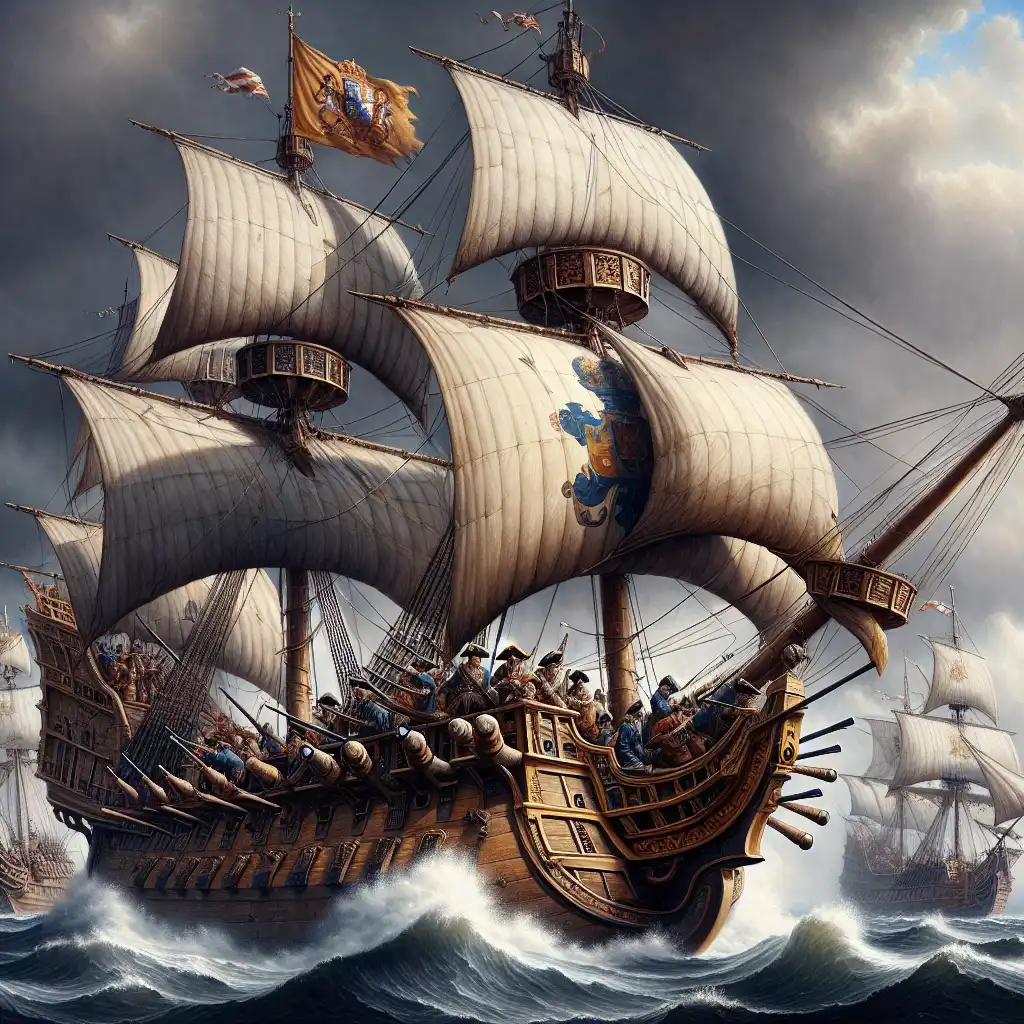
A pirate authorized by a government to attack and steal from enemy ships during wartime
The English king gave the privateers the right to attack Spanish ships during the war.
privateer
ˌpraɪvəˈtɪr
Loading…
ˌpraɪvəˈtɪr
A pirate authorized by a government to attack and steal from enemy ships during wartime
The English king gave the privateers the right to attack Spanish ships during the war.
ˌpraɪvəˈtɪr
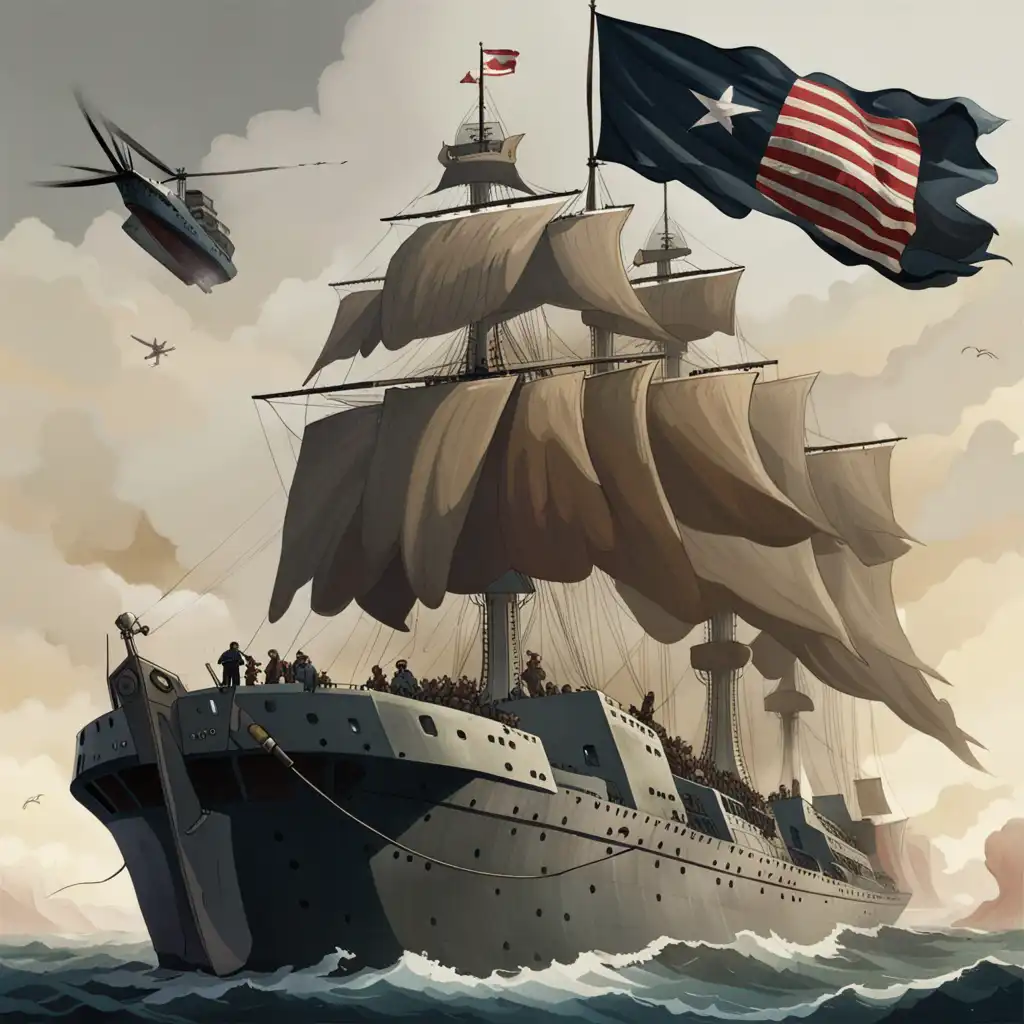
An armed ship owned and officered by private individuals
The privateer was commissioned by the government to wage war on its behalf.

ˌpraɪvəˈtɪr
A competitor, especially in business, who is eager to win at all costs
He's a privateer who will do anything to close a deal and make profit.
Audio could not be loaded. Please try again later.
A privateer is a person who is given permission by a government to attack and steal from ships of another country during a war. They are like legal pirates who are fighting for their country. They were often used in the past to help their country's navy in battles at sea. Privateers were common in the 17th and 18th centuries, but are no longer used today.
A buccaneer is a pirate who attacks and steals from ships and coastal towns. They are often associated with the Caribbean and the 17th century.
Buccaneers were usually independent and did not have any official authorization to attack ships.
A buccaneer is an unlicensed pirate who attacks ships and coastal towns for their own personal gain, while a privateer is a government-sanctioned pirate who attacks and captures enemy ships during a time of war.
Open word: Buccaneer →The main difference between a corsair and a privateer is their legal status.
A corsair is a pirate, someone who attacks and robs ships for their own profit without any legal authorization.
Corsairs are always considered illegal, and they operate outside the law. In contrast, privateers are authorized by a government to capture enemy ships, and are therefore considered legal.
A corsair is a pirate who attacks and robs ships illegally, while a privateer is someone who is authorized to capture enemy ships during a time of war.
Open word: Corsair →A freebooter is a pirate or buccaneer who works independently and without authorization from any government or authority.
The main difference between freebooters and privateers is that the former are independent pirates who operate outside of any legal framework, while the latter are authorized by governments to attack and capture enemy ships during times of war.
Open word: Freebooter →Pirate refers to someone who commits acts of robbery and violence at sea without permission from any government.
Pirates typically attack ships and coastal towns, stealing cargo and taking prisoners for ransom.
In summary, pirates are criminals who act outside of the law, while privateers are essentially government-authorized pirates who operate during times of war.
Open word: Pirate →A raider is a ship that attacks and seizes other ships for its own gain, without permission or sanction from any government. Raiders are essentially pirates.
A privateer is a licensed "legal" pirate, whereas a raider is an illegal pirate. Privateering was commonly used during times of war, while raiding can happen anytime.
Open word: Raider →The most successful...
Watch on YouTube ↗As a CEO, I had significant exposure to private equity, enough that I had in no way bought into the media's caricature: rapacious privateers who destroy companies.
Water Rockets %\PIPE% I Didn't...
Watch on YouTube ↗Sturmhond, a privateer from the second book in the series, Siege and Storm,' is probably my favorite character. He's pure confidence and that's always fun to write.
Privateers, military contractors - these aren't pirates. They have bosses. Real pirates are sellswords on missions of their own making.
It is to the last degree distressing to contemplate the state and establishment of our navy... unless the private emolument of individuals in our navy is made superior to that in privateers, it never can become respectable; it never will become formidable. And without a respectable navy - alas, America!
I think experience has shown that privateers have done more toward distressing the trade of our enemies, and furnishing these States with necessaries, than Continental Ships of the same force.
The common class of mankind are actuated by no nobler principle than that of self-interest; this and this alone determines all adventurers in privateers: the owners, as well as those whom they employ.