
locomotion
noun locomotion
ˌləʊkəˈməʊʃn
The act or ability to move from place to place
Walking and running are types of locomotion.
locomotion
ˌləʊkəˈməʊʃn
Cargando…
ˌləʊkəˈməʊʃn
The act or ability to move from place to place
Walking and running are types of locomotion.
ˌləʊkəˈməʊʃn
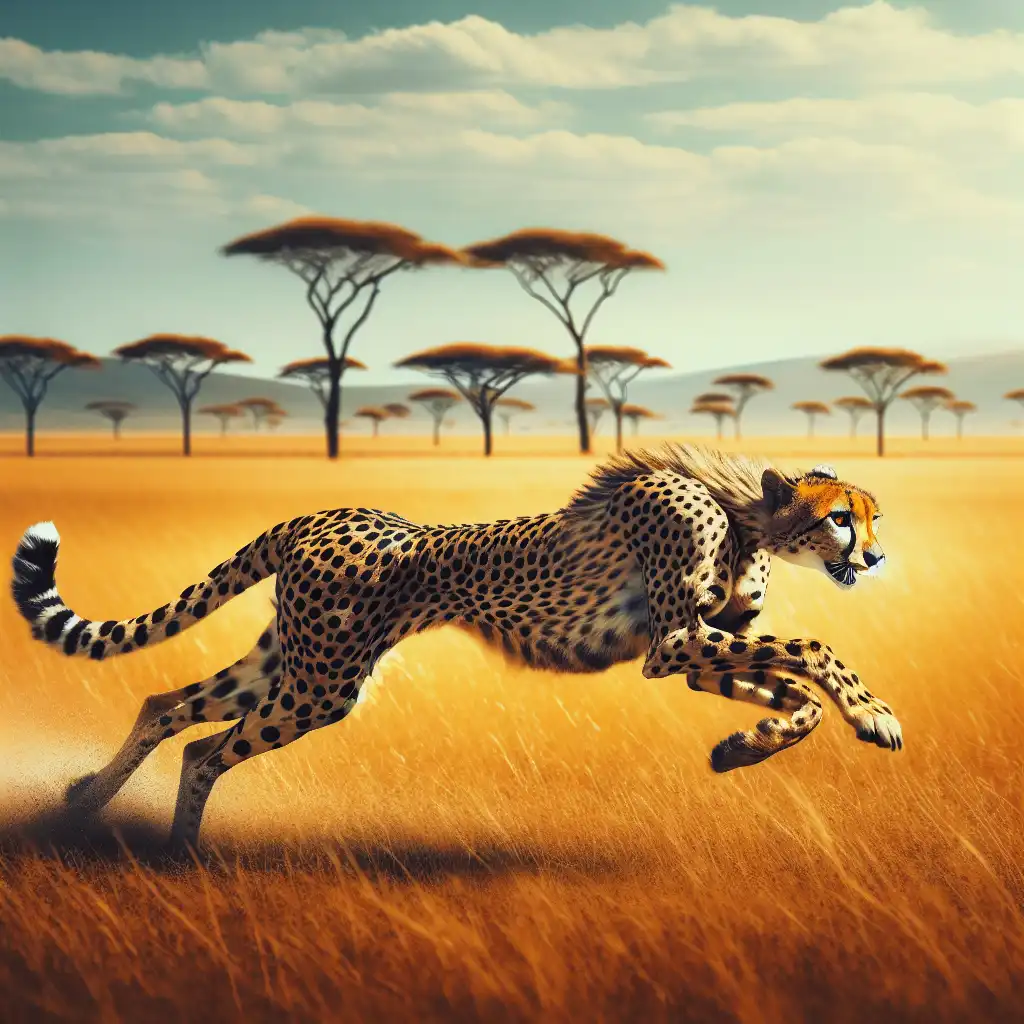
The power of an organism to move independently, using metabolic energy
Locomotion is a fundamental trait of animals.
ˌləʊkəˈməʊʃn
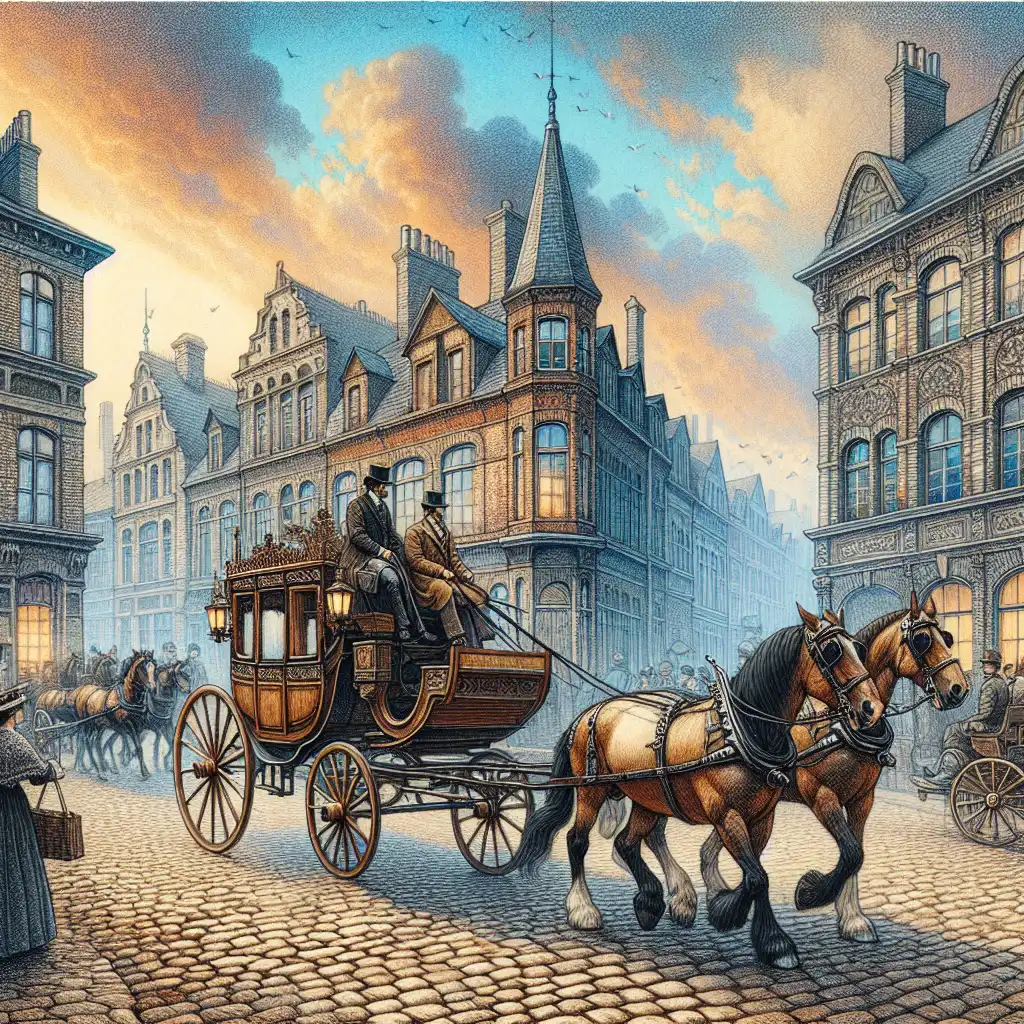
A mode of mechanical transportation
The locomotion of the 19th century was mostly provided by horses.
No se pudo cargar el audio. Inténtalo de nuevo más tarde.
The word 'locomotion' means the act of moving or walking from one place to another. For instance, a person walking, a bird flying, or a fish swimming are all examples of locomotion. The word is commonly used in biology or animal sciences to describe the movement of animals. It can also be used in everyday language, such as when discussing modes of transportation.
Both locomotion and mobility refer to the ability to move.
It is commonly used to describe the movement of animals, such as walking, running, flying or swimming. Mobility is a broader term that encompasses the ability to move or be moved.
Therefore, while locomotion refers to the way an animal moves, mobility refers to the ability of a person or thing to move or be moved in different ways.
Abrir palabra: Mobility →Motion refers to any kind of movement or change in position, whether it is caused by a living organism or not, and can be used in various contexts such as physics or mechanics.
For example, the motion of a car or a plane.
The word locomotion specifically refers to the movement of living organisms, especially animals. It describes the ability of an organism to move from one place to another by using its own body, such as walking, running, swimming, or flying.
For example, the locomotion of a bird or a fish.
In simpler terms, motion is any type of movement while locomotion is a specific type of motion that describes how living organisms move.
Abrir palabra: Motion →In contrast, the word movement can refer to any kind of motion or change in position, including simple gestures like waving your hand or more complex actions like dancing or playing sports.
So, for example, a bird's ability to flap its wings and fly through the air would be an example of locomotion, while a person's ability to run, jump, or dance would be examples of movement.
Locomotion is a more specialized term that is typically used when discussing the ways in which animals or machines move around, while movement is a broader term that can refer to any kind of bodily motion.
Abrir palabra: Movement →Progression refers to the act of making progress or advancing towards a goal.
Locomotion is about physical movement while progression is about advancement towards a goal or objective. Locomotion is applicable when discussing animal movement and physical transportation, while progression is applicable when discussing personal or professional growth, projects, or objectives.
Abrir palabra: Progression →Locomotion refers to the movement or ability to move from one place to another, while run specifically refers to a type of locomotion where a person or animal moves quickly on their legs, with both feet leaving the ground at the same time.
Locomotion can be used in a more general sense, describing any type of movement, such as walking, crawling, swimming, or flying, while run is only used to describe a specific type of movement on two legs.
For example, a bird's locomotion includes both flying and walking, but it cannot run. A person's locomotion can include walking, running, jumping, or crawling, among other things.
Abrir palabra: Run →Transit refers to the movement of people or goods from one place to another. It is applicable in transportation and logistics.
Locomotion is about movement of living things, while transit is about movement of non-living things or people from one place to another.
Abrir palabra: Transit →Travel refers to the act of moving from one place to another, regardless of how it is done, such as by car, plane, or train.
For example, if someone is walking to school, they are using locomotion to get there. If they take the bus to school, they are traveling by bus.
Locomotion is applicable to the movement of living organisms, while travel is applicable to any type of movement between places.
Abrir palabra: Travel →Locomotion refers to the movement of an organism from one place to another, by any means such as walking, crawling, swimming or even flying.
It is a broader term that encompasses all types of movements. Walk specifically refers to the action of moving on foot, using a step-by-step motion.
For example, a bird's locomotion can be by flying or walking, while a human's locomotion can be by walking, running, or even driving a car.
Locomotion is a more general term that can describe movement in a wider sense, while walk is a specific term that is only used to describe movement on foot.
Abrir palabra: Walk →Why are Ferrets So...
Ver en YouTube ↗Locomotion can be uncomfortable in VR, but a number of developers have figured out how to do some subtle locomotion.
Meet Spot the robot dog...
Ver en YouTube ↗For all the social changes in China can be traced to their early beginnings in the days when the new tools or vehicles of commerce and locomotion first brought the Chinese people into unavoidable contact with the strange ways and novel goods of the Western peoples.
This sea creature...
Ver en YouTube ↗The bodies we have are not made for extended use. We must cope with accumulated DNA damage, cell damage, muscle atrophy, bone loss, decreased muscle mass, and joints worn out from overuse during a lifetime of bipedal locomotion. It might have worked great for prehistoric humans, but it wreaks havoc on our knees and hips.
Baby Blue Whale Nursing...
Ver en YouTube ↗A robot that runs and...
Ver en YouTube ↗Sarah Bergbreiter: Why I...
Ver en YouTube ↗“BioBot” Roaches Could...
Ver en YouTube ↗Grégoire Courtine: The...
Ver en YouTube ↗The Strange Tail of...
Ver en YouTube ↗Interview: Phillip...
Ver en YouTube ↗