yeoman
noun yeoman
ˈjəʊmən
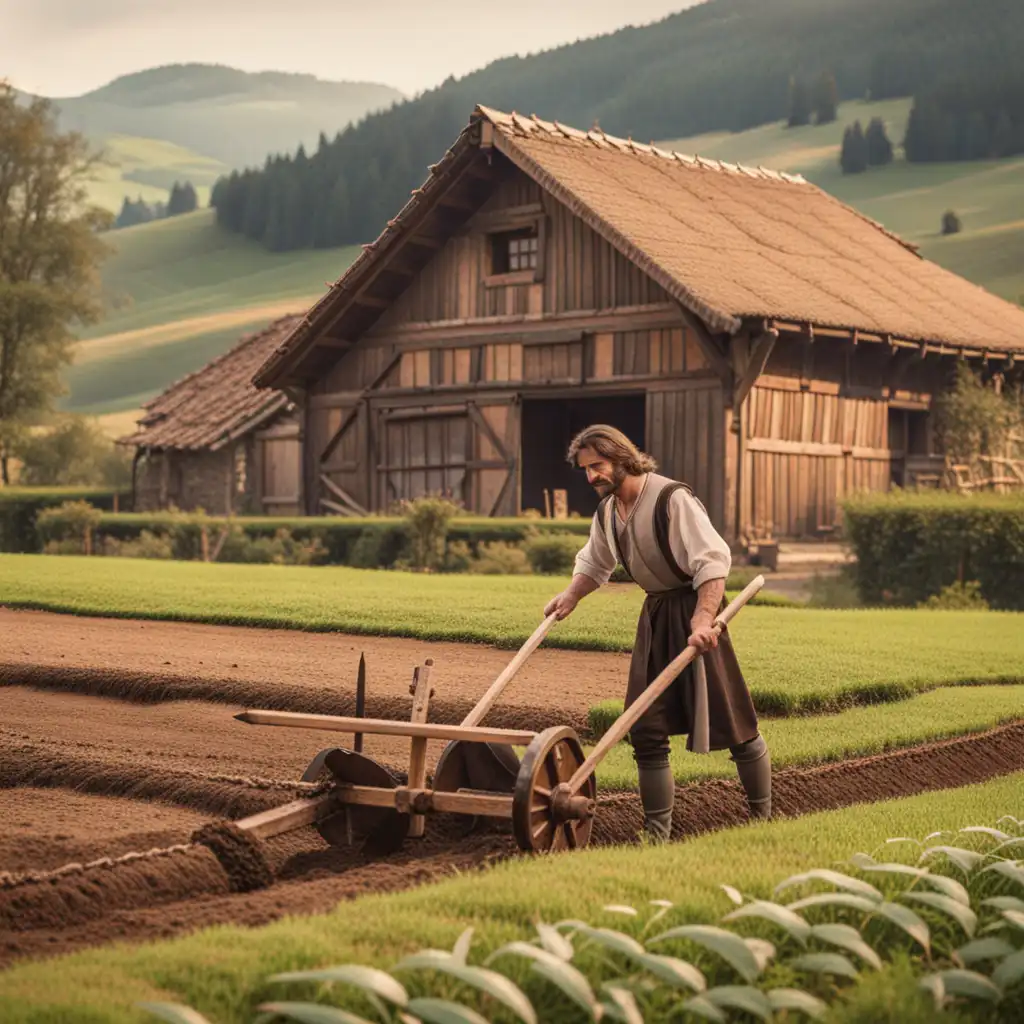
A man who owned and cultivated a small farm; especially : one belonging to a class of English freeholders below the gentry
In medieval England, a yeoman was a landowner.
yeoman
ˈjəʊmən
Chargement…
ˈjəʊmən
A man who owned and cultivated a small farm; especially : one belonging to a class of English freeholders below the gentry
In medieval England, a yeoman was a landowner.

ˈjəʊmən
A reliable, diligent, or strong person especially doing important but not noticeable work
She did a yeoman's job in seeing the project through.

ˈjəʊmən
A petty officer in the navy (in the UK, in charge of naval provisions, and in the US, doing clerical work)
The yeoman handled all the official paperwork.
ˈjəʊmən
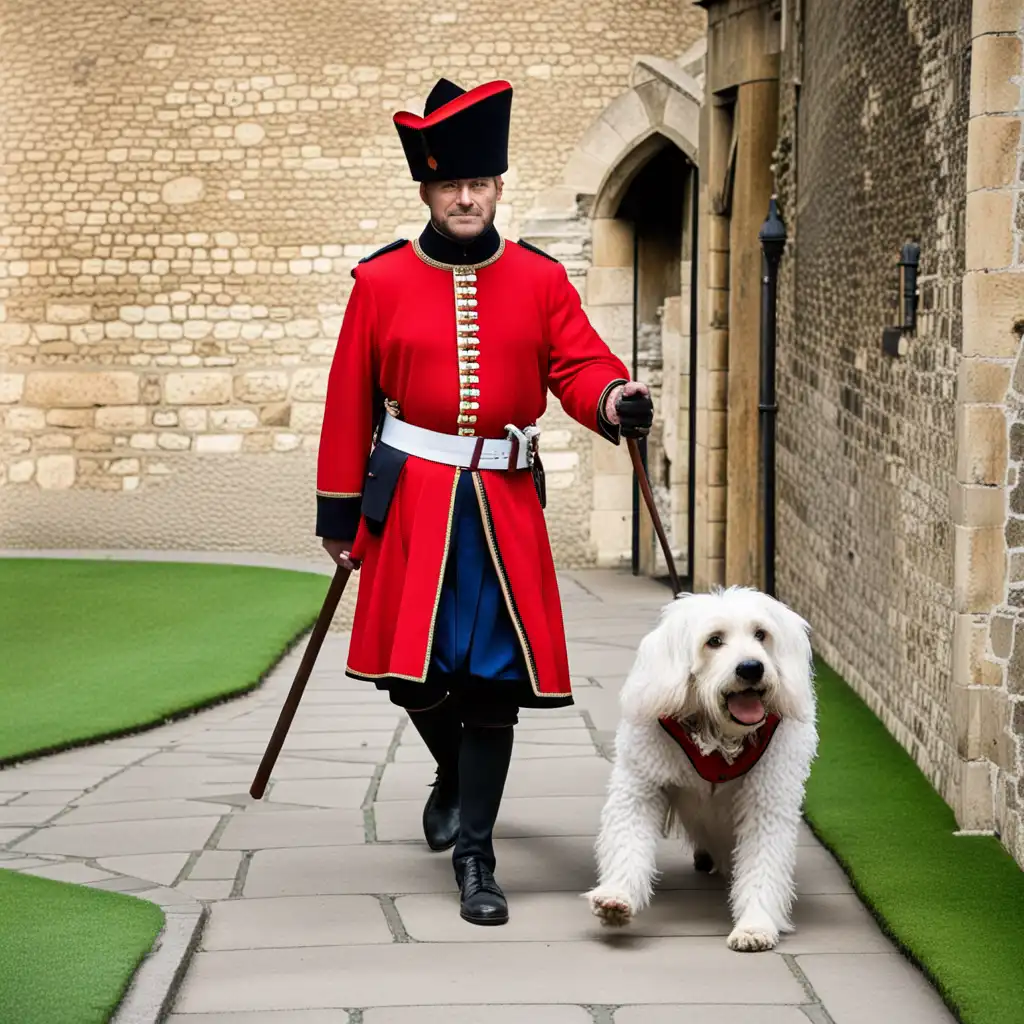
A member of the Yeomen of the Guard or the Yeomen Warders of Great Britain
The Yeoman Warder gives guided tours of the Tower of London.
Impossible de charger l’audio. Réessayez plus tard.
The word "yeoman" is an old-fashioned term that was used in feudal times to describe a freeholder who owned a small piece of land. Today, the word is mainly used to refer to someone who works hard and is dedicated to their job or duty, regardless of their social status, often in agricultural or manual labor roles. It can also be used to describe someone who is skilled in a particular area or is knowledgeable in a certain field. For example, you might refer to a writer as a yeoman of the pen or a doctor as a yeoman of medicine. The word is not commonly used in modern English, but it can be seen in historical or literary contexts.
Countryman refers to a person who lives in the countryside or a rural area. Yeoman, on the other hand, refers to a land-owning farmer who cultivates their own land.
While certain situations may allow for the interchangeable use of these terms, generally, countryman is broader in application and can refer to any person who lives in a rural area.
In summary: Countryman refers to someone who lives in a rural area while yeoman refers to a farmer who owns and cultivates their own land.
Ouvrir le mot: Countryman →A farmer typically owns or rents land and raises crops or livestock for profit. They may have a larger operation and may hire workers or use modern equipment.
A yeoman is historically a small landowner who worked their own land and was not part of the aristocracy. They were usually skilled farmers or craftsmen who may have supplemented their income by renting out land or working for others.
Both terms can apply to someone who works in agriculture, but the term farmer is more commonly used today to describe someone who makes their living by cultivating crops or raising livestock, while yeoman refers to a historical social class of small landowners.
Ouvrir le mot: Farmer →A labourer is a person who does physical or manual work for wages. They usually work in fields like construction, agriculture, or factories.
So, in general, a labourer is someone who does physical work for someone else for a wage or salary, while a yeoman is someone who owns and works on their own small farm.
The term labourer is more commonly used in industrial or manual labor jobs, while yeoman is used in the agricultural sector.
Ouvrir le mot: Labourer →Peasant and yeoman are both words that describe a type of farmer, but they have different connotations and usages.
Peasant typically refers to a farmer who is poor and lives in a rural area with limited resources. Peasants usually own or rent small plots of land and work hard to grow crops or raise animals to support themselves and their families.
This term is often used in historical contexts, and can have negative connotations because of the harsh living conditions and lack of social mobility that peasants often faced.
In modern usage, peasant is still used to describe poor rural farmers in some countries, while yeoman is now mostly used in historical or literary contexts to describe a certain type of landowner.
Ouvrir le mot: Peasant →Rustic refers to something that is rural, simple, and associated with the countryside.
Rustic refers to a particular aesthetic or way of life, while yeoman refers to a specific type of livelihood or social class.
Ouvrir le mot: Rustic →History vs. Henry VIII -...
Voir sur YouTube ↗We will that all men know we blame not all the lords, nor all those that are about the king's person, nor all gentlemen nor yeomen, nor all men of law, nor all bishops, nor all priests, but all such as may be found guilty by just and true inquiry and by the law.
A chief petty officer taught me shorthand, which got me promoted to yeoman first class.
It's more dangerous to be a friend or relative of Jackie Chan in the star's movies than it is to play the third yeoman on a 'Star Trek' episode.