
demoralization
noun demoralization
dɪˌmɔːrələˈzeɪʃn
A process or incident that makes somebody lose hope, confidence, or courage
The constant failures led to the team's demoralization.
demoralization
dɪˌmɔːrələˈzeɪʃn
Loading…
dɪˌmɔːrələˈzeɪʃn
A process or incident that makes somebody lose hope, confidence, or courage
The constant failures led to the team's demoralization.
dɪˌmɔːrələˈzeɪʃn
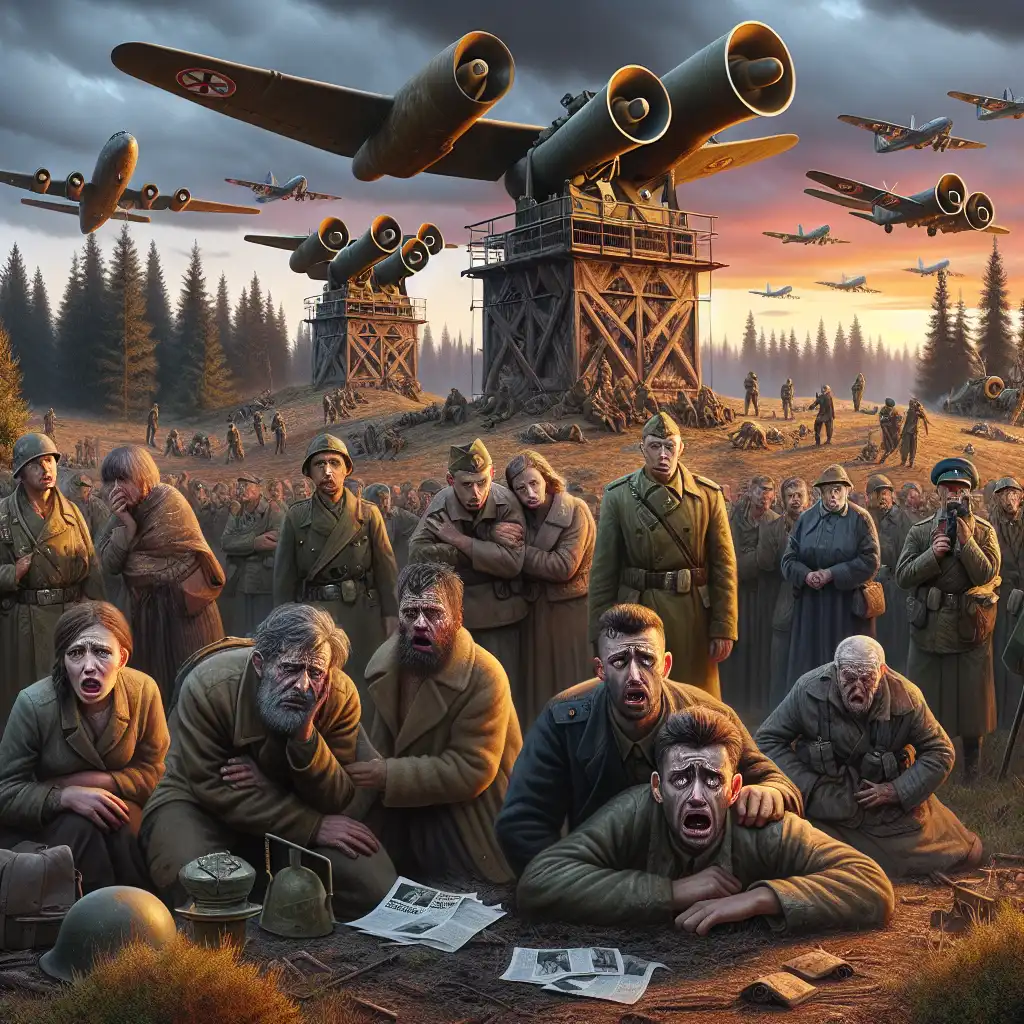
The act of reducing the morale of an enemy, especially by psychological methods
The demoralization of the enemy troops was an integral part of their strategy.

dɪˌmɔːrələˈzeɪʃn
Loss of discipline and control in a group
The coach's negligence led to the demoralization of the team.
Audio could not be loaded. Please try again later.
The word 'demoralization' means feeling extremely sad, frustrated, or hopeless due to something that has happened. For example, if your team loses every game, you might feel demoralized. The word can be used in situations where people have lost their motivation, confidence, or spirit because of a difficult experience, like a failure or a setback. It can also describe the feeling of being defeated or helpless in a situation that seems impossible to overcome. In general, the word 'demoralization' expresses a sense of despair or defeat.
Dejection is the feeling of sadness or low spirits that someone might experience after a setback or disappointment.
Dejection is a temporary sadness while demoralization is a more long-lasting loss of hope and motivation.
Dejection can be overcome by taking a break or finding a solution, while demoralization requires more serious intervention such as therapy or support from loved ones.
Open word: Dejection →Depression is a medical condition characterized by feelings of extreme sadness, hopelessness, and loss of interest in activities that used to be enjoyable.
Depression can be caused by various factors and may require professional treatment.
In simpler terms, demoralization is a temporary feeling of discouragement while depression is a serious and long-term medical condition with persistent feelings of sadness and hopelessness.
Demoralization can be applied to any situation where confidence is lost, such as in sports or work, while depression is a clinical condition that requires medical attention.
Open word: Depression →Desolation refers to a feeling of emptiness, loneliness or abandonment. It often involves the sense of being isolated and cut off from others, or of being in a desolate, barren environment.
To put it simply, demoralization refers to a feeling of defeat, while desolation refers to a feeling of emptiness or isolation.
Open word: Desolation →Despair refers to a state of complete loss of hope or belief in a positive outcome. It is applicable when someone has given up all hope and is experiencing extreme sadness or hopelessness.
So, in short, demoralization is a feeling of discouragement or loss of confidence, while despair is a feeling of complete hopelessness and sadness.
Open word: Despair →Despondency is an extreme feeling of sadness or hopelessness. It is applicable when someone feels overwhelmed by negative circumstances, such as losing a loved one or experiencing a major life change that they cannot control.
Demoralization is a temporary feeling of discouragement, while despondency is a more long-lasting feeling of hopelessness.
Open word: Despondency →To discourage someone means to provide negative feedback or criticism that may hinder their motivation or willingness to act.
In simpler terms, demoralization is a feeling of defeat, while discourage is an action that inhibits one's motivation.
Demoralization can apply to one's state of mind, whereas discourage applies to the situation or action.
Open word: Discourage →Dismay, on the other hand, means distressing someone deeply or causing them to become discouraged or to lose heart.
Demoralization is a state of mind reflecting one's disposition or state of well-being, whereas dismay is a feeling of being saddened or disheartened.
Thus, demoralization reflects how someone feels, while dismay reflects an external event that causes a reaction in someone.
Open word: Dismay →Hopeless means having no hope or expectation of a favorable outcome. It is a feeling of extreme pessimism and despair.
Demoralization can be overcome by finding ways to build confidence and regain courage, while hopelessness may require a shift in perspective and finding new sources of optimism.
Open word: Hopeless →Indeed, for almost 10 years, Moscow had to carry on a war unsupportable by the government, a conflict that brought about the demoralization and finally the breakup of the Soviet empire.
It is hard to conceive of the utter demoralization, of the political blindness and immorality, of the patriotic dishonesty, of the cruelty and degradation of a people who supplemented the incomparable Declaration of Independence with the Fugitive Slave Law.