
loss
noun loss
lɔːs
the act of losing something or someone
He mourned the loss of his father.
loss
lɔːs
Đang tải…
lɔːs
the act of losing something or someone
He mourned the loss of his father.
lɔːs
the amount of money that is lost by a business or organization
The company reported a loss of $10 million last quarter.
lɔːs
the feeling of sadness because someone has died
Her loss was felt by everyone who knew her.
lɔːs
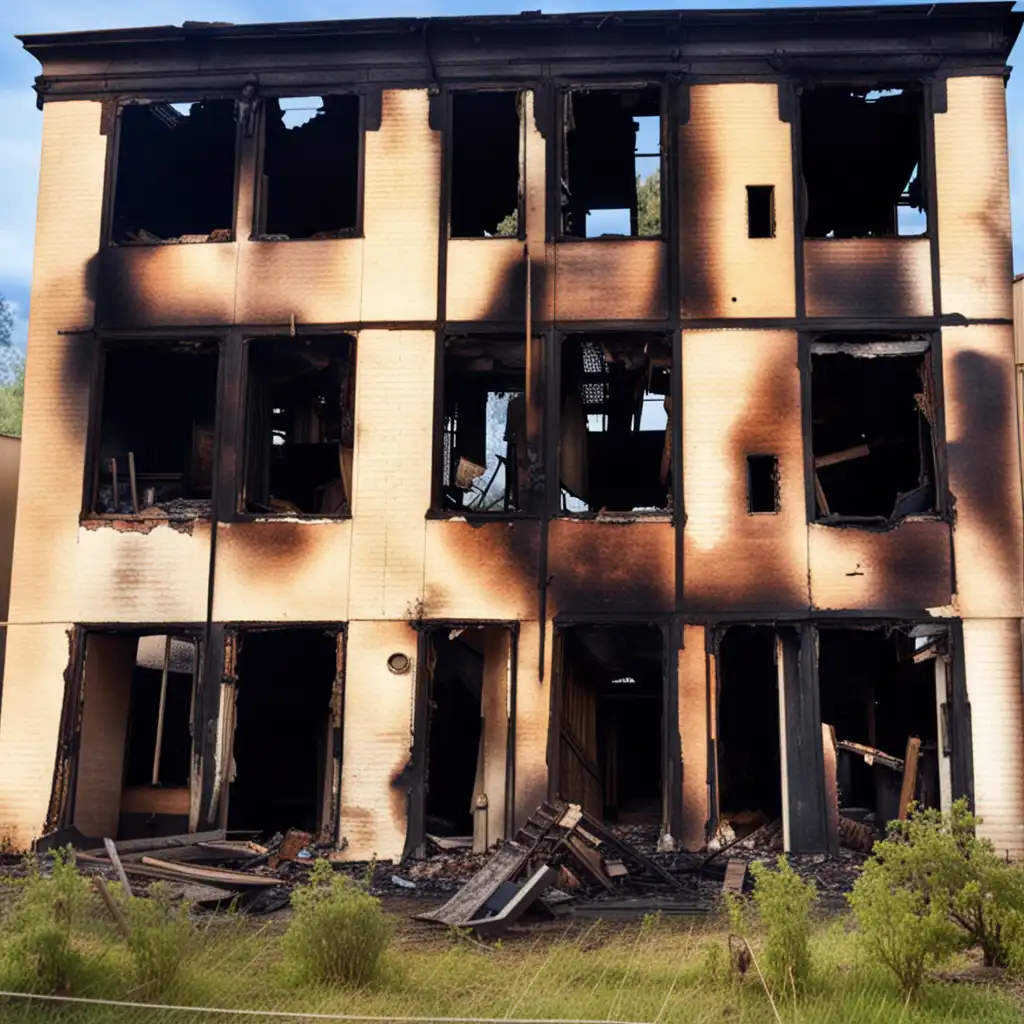
a situation in which you no longer have something because it has been taken away or destroyed
The house was a total loss after the fire.

lɔːs
a decrease in amount, size, or number
He noticed the loss of muscle mass after being sick.
Không tải được âm thanh. Vui lòng thử lại sau.
The word 'loss' usually refers to when you no longer have something you used to have. For example, if you lose your phone or your keys, you no longer have them and so you experience a loss. The word can also be used in more serious situations such as when someone passes away, which is often referred to as a loss. You can also use the word 'loss' in the context of a sporting event or competition, when a team or individual doesn't win. Overall, the word 'loss' is used to describe something that is no longer in your possession, or when you don't achieve something you were hoping for.
Bereave means to be deprived of someone through death.
You can also say that someone has been bereaved by a particular death.
However, when people use the word loss in the context of death, they often mean the same thing as 'bereavement.'
Bereave is specifically used to describe the emotional pain of losing someone to death, while the word loss refers generally to the fact of losing something or someone.
Mở từ: Bereave →Damage and loss are both terms used to describe negative outcomes, but they refer to different things.
Damage refers to something that has been harmed or broken. For example, a car may be damaged in an accident, or a building may be damaged in a storm.
Damage refers to something that has been physically harmed or broken, while loss refers to something that is no longer present or available.
Mở từ: Damage →Defeat refers to the act of being beaten in a contest, battle or game. It implies that someone has been outscored or outperformed by an opponent.
Both defeat and loss have negative connotations, but defeat is primarily used in contexts where there is a direct competition while loss applies to any situation where something has been taken away or missed.
Mở từ: Defeat →Deprivation refers to the feeling of not having something that is needed or desired, while loss refers to the state of no longer having something that was previously possessed.
Deprivation is applicable when a person is lacking something that they need or desire, such as food, water, sleep, or social contact.
Deprivation is about the feeling of not having something, while loss is about the state of no longer having something.
Mở từ: Deprivation →Destruction refers to something being completely destroyed or ruined, often through intentional actions or a natural disaster.
For example, a house that has been burned down has suffered destruction.
Destruction implies complete or severe damage, while loss simply implies something is missing or absent. Destruction is more applicable when something is ruined beyond repair, while loss is more applicable when something is missing or inaccessible.
Mở từ: Destruction →Failure typically refers to not achieving a goal or objective despite making an effort to achieve it. For example, if someone tries to win a race and finishes last, they have failed to achieve their goal of winning.
Failure is often related to personal achievement or success, while loss is related to material possessions or relationships.
Mở từ: Failure →Misfortune refers to a situation that is unfortunate or unlucky, but may not necessarily involve losing something.
For instance, if you are caught in a rainstorm and get wet, that's a misfortune, but you haven't necessarily lost anything.
Loss is more specific and refers to a tangible or concrete thing that has been taken away or destroyed, while misfortune is broader and can refer to any negative situation that is beyond your control.
Mở từ: Misfortune →Ruin, on the other hand, refers to the destruction or complete downfall of something, often resulting in a state of chaos or disrepair.
Mở từ: Ruin →Now all over the world, there is one word that people who have affairs always tell me. They feel alive. And they often will tell me stories of recent losses -- of a parent who died, and a friend that went too soon, and bad news at the doctor.
Xem trên YouTube ↗I've never thought about songwriting as a weapon. I've only thought about it as a way to help me get through love and loss and sadness and loneliness and growing up.
but prevention is vital. Genetics and lifestyle factors both affect your risk. And the good news is that you can change your lifestyle. Exercise a healthy diet and weight loss all lower the risk of heart attacks, whether you've had one before or not.
Xem trên YouTube ↗Accept loss forever.
percent of species could be a threat of extinction solely due to climate change this isn't just about losing wonders of nature the loss of even the smallest organisms destabilizes the world's ecosystems
Xem trên YouTube ↗Loss is nothing else but change, and change is Nature's delight.
which is something that I've had to learn to say. Some people say that the second year is harder than the first. That's kind of where I'm beginning to feel more the physicality of this loss more deeply.
Xem trên YouTube ↗For what shall it profit a man, if he gain the whole world, and suffer the loss of his soul?
absolutely clear I do not actually believe doomsday is upon us I'm not talking about survivalist skills or how the world might end but I do think this notion of the apocalypse and the loss of all that we take for granted today is a
Xem trên YouTube ↗Death is not the greatest loss in life. The greatest loss is what dies inside us while we live.
a phenomenon known as the forgetting curve. But this loss can be prevented through memory consolidation, the process by which information is moved from our fleeting short-term memory to our more durable long-term memory. This consolidation occurs with the help of a major part of the brain, known as the hippocampus.
Xem trên YouTube ↗Take care to sell your horse before he dies. The art of life is passing losses on.
that can include feelings of loss and sadness, nostalgia doesn't generally put people in a negative mood. Instead by allowing individuals to remember personally meaningful and rewarding experiences they shared with others, nostalgia can boost psychological well-being.
Xem trên YouTube ↗I've lost lots of men in my life, besides my mother, which is a whole different loss.
Stress chemicals help mobilize energy and increase alertness. However with chronic stress our bodies become flooded with these chemicals, resulting in a loss of brain cells and an inability to form new ones, which affects our ability to retain new information. Depression is another culprit.
Xem trên YouTube ↗Every loss of life is terrible.
such as confused behavior aggression or loss of consciousness. The most feasible and accurate way to assess core body temperature is with a rectal thermometer as other common temperature-taking methods are not accurate in these circumstances. As far as treatment goes, the most important thing to remember is cool first transport second.
Xem trên YouTube ↗My life is about ups and downs, great joys and great losses.
On a societal level the rapid loss of population led to important changes in Europe's economic conditions. With more food to go around, as well as more land and better pay for the surviving farmers and workers,
Xem trên YouTube ↗No cause is worth the loss of a child's life.