unseat
verb unseat
ˌʌnˈsiːt
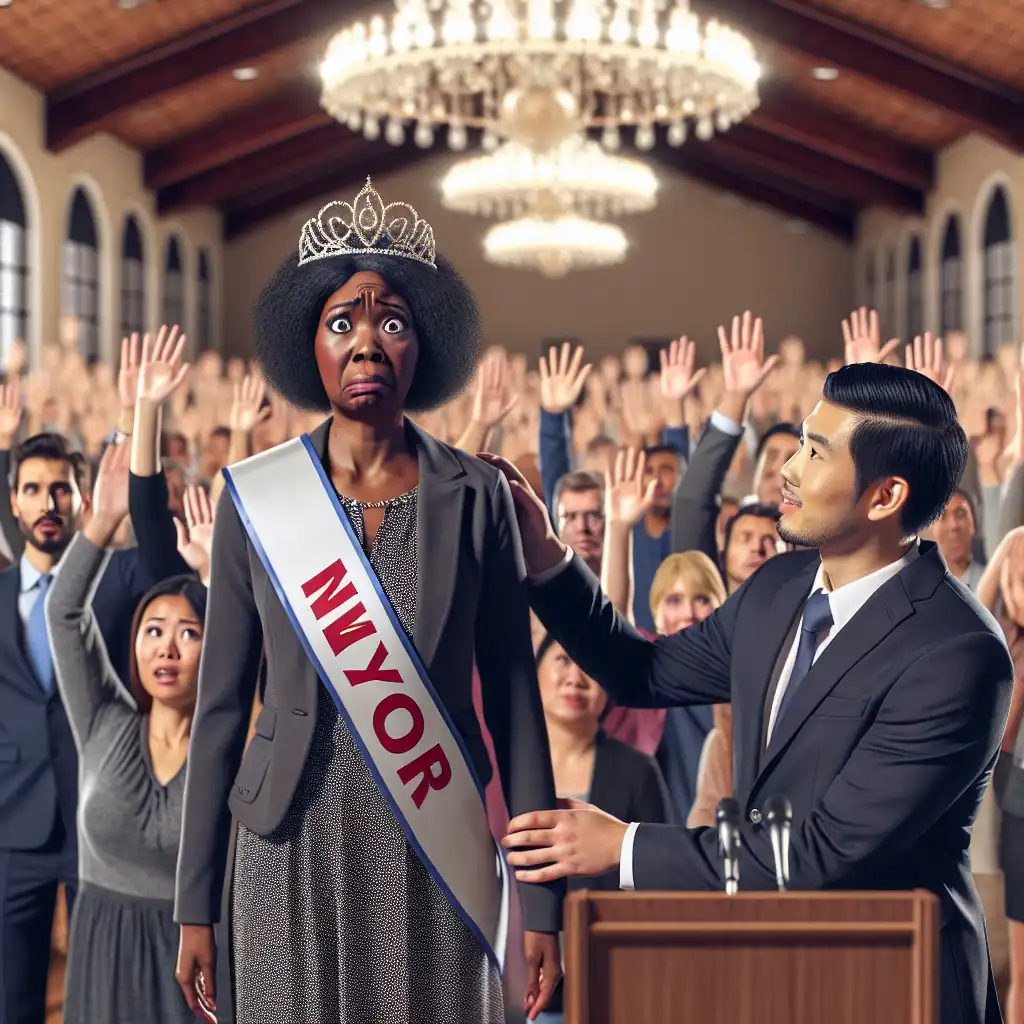
To remove someone from a position of power or authority
The mayor was unseated in the recent election.
unseat
ˌʌnˈsiːt
Chargement…
ˌʌnˈsiːt
To remove someone from a position of power or authority
The mayor was unseated in the recent election.

ˌʌnˈsiːt
To cause to fall from a horse or other seat
The bucking horse unseated its rider.
Impossible de charger l’audio. Réessayez plus tard.
The word 'unseat' is used when someone is forcefully removed from a position of power or authority, like a king being dethroned or a politician losing an election. It can also mean to cause someone to lose their seat or balance, like a bumpy ride unseating a passenger from their seat on a bus.
Defeat means to win against an opponent in a competition or a battle, while unseat means to remove someone from a position of power or authority.
For example, you can defeat an opponent in a sports game or defeat an enemy in a war. Alternatively, you can unseat a political leader from their position or unseat a company's CEO from their role.
The term defeat is applicable in a competitive context, while unseat is applicable in a political or corporate context.
Ouvrir le mot: Defeat →Depose means to remove someone from a position of power or authority, usually through legal or formal means such as impeachment or resignation.
In simpler terms, depose is used for formal and legal situations, while unseat is used for more informal and unexpected situations.
Ouvrir le mot: Depose →Both dethrone and unseat mean to remove someone from a position of power or authority.
However, dethrone is typically used metaphorically, often referring to a monarch or ruler being stripped of their power.
In simpler terms, dethrone is used for someone who has absolute power, while unseat is used for someone who has been elected to some sort of position.
Ouvrir le mot: Dethrone →To displace means to move something or someone from its original position or place, while to unseat means to oust someone from a position of power or authority.
For example, a natural disaster like a flood could displace people from their homes, while in politics, a candidate could unseat an incumbent by winning an election.
Displace is more commonly used in a physical context, while unseat is more commonly used in a political or social context.
Ouvrir le mot: Displace →Both oust and unseat mean to remove or displace someone from a position of power or authority. The main difference between the two is the context they are used in.
Oust describes the forceful or aggressive removal of someone from a position of power or authority. It implies a deliberate attempt to overthrow someone in order to take their place.
For example, a group of employees may attempt to oust their boss if they believe he is not doing a good job.
Oust is used when describing a deliberate attempt to forcefully remove someone from a position of power, while unseat describes the removal of someone due to external circumstances beyond their control.
Ouvrir le mot: Oust →Overthrow and unseat are both verbs that refer to the removal of a leader or government from power.
However, overthrow typically implies a more forceful and violent removal, often involving a revolution or coup. For example, a group of rebels might overthrow a dictator by taking up arms and fighting against their regime.
Overthrow is often associated with violent upheaval, while unseat implies a more orderly transition of power.
Ouvrir le mot: Overthrow →Remove means to take something away from its place or remove it from a position of authority or power.
For example: I removed the books from the bookshelf.
Unseat means to remove someone from a position of power or authority, especially by defeating them in an election. It is only applicable for situations when someone is removed from their position of power or authority due to an election loss or opposition.
Remove is a more general term for taking something or someone away, while unseat specifically refers to removing someone from their position of power, authority, or status.
Ouvrir le mot: Remove →Topple means to overthrow or cause to fall over from a high position, like a tower or a statue. For example, "The strong wind toppled the tree in my front yard.".
Topple is used when something falls over physically and unseat is used when someone is removed from a position of power or authority.
Ouvrir le mot: Topple →History's deadliest king...
Voir sur YouTube ↗Perhaps no mightier conflict of mind occurs ever again in a lifetime than that first decision to unseat one's own tooth.
What if you could help...
Voir sur YouTube ↗A prejudice, unlike a simple misconception, is actively resistant to all evidence that would unseat it.
Portraits of Afghanistan...
Voir sur YouTube ↗When you're coaching at Kentucky, you're held to a different standard, and like in politics, there is a core group that absolutely loves you, and everyone else is trying to unseat you in any way they can - anything to trip you up; that's what it is. If you're not up to that, then don't coach at Kentucky.
I saw the GamerGate controversy as a way to expand 8chan. I wanted to unseat 4chan and to me it didn't matter how it happened.
I was in the room when Sundar convinced Eric Schmidt that it would be possible to unseat Internet Explorer as the world's most popular browser.
I was a candidate in Loughborough in the 2005 election. I had a good result against the sitting Labour MP but not enough to unseat him.
Although combat operations unseated the Taliban and the Saddam Hussein regime, a poor understanding of the recent histories of the Afghan and Iraqi peoples undermined efforts to consolidate early battlefield gains into lasting security.
The sitting prime minister, Jose Aznar, who had strongly backed the U.S.-led Iraq War, was unseated by a challenger who then pulled Spanish troops out of Iraq. The Madrid terrorist attacks are generally regarded as being the key to why Aznar, who had been leading in the polls, was defeated.